Efficient LSS Through Flow Steam Boiler for Leather Factory
Maintaining consistent thermal energy is critical in leather processing, where precise temperature control during tanning, dyeing, and drying determines the final quality of the hide. The LSS through-flow steam boiler provides a compact yet powerful solution for facilities that require high-efficiency steam generation without the need for extensive infrastructure investment. By utilizing a vertical water tube arrangement, this system ensures rapid steam availability and high thermal efficiency, making it an ideal choice for leather factories looking to optimize their operational footprint while reducing energy waste.

Advanced Vertical Water Tube Engineering for Rapid Steam Response
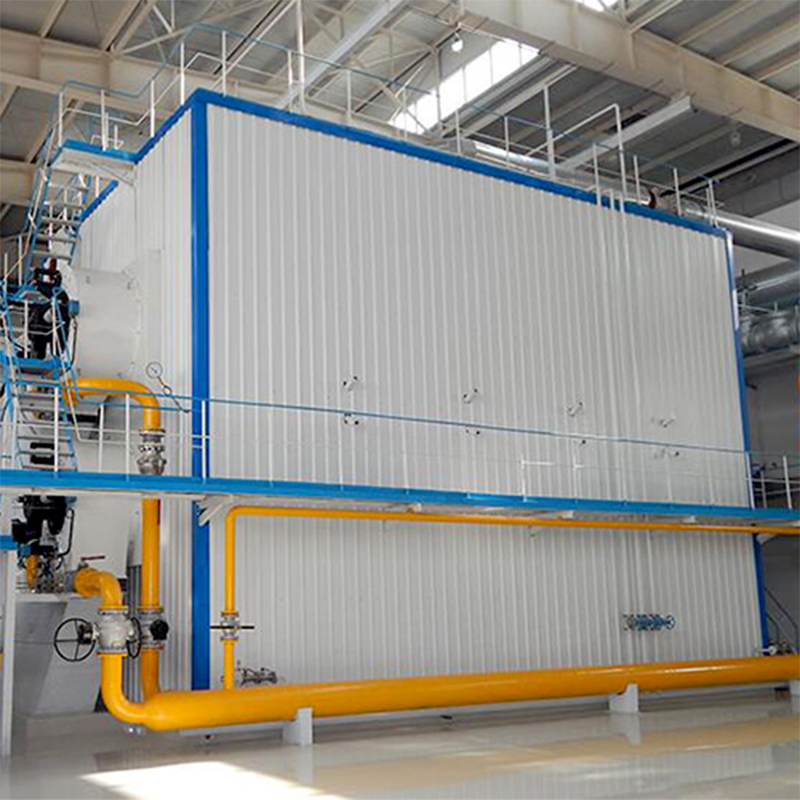
The LSS series is engineered as a through-flow steam boiler, characterized by its vertical water tube arrangement. Unlike traditional shell boilers, the through-flow design significantly reduces the water volume required to generate steam, which translates to shorter startup times and a more agile response to the fluctuating steam demands typical of leather treatment lines. This compact structure allows for a smaller installation area, minimizing the capital expenditure on factory housing and infrastructure.
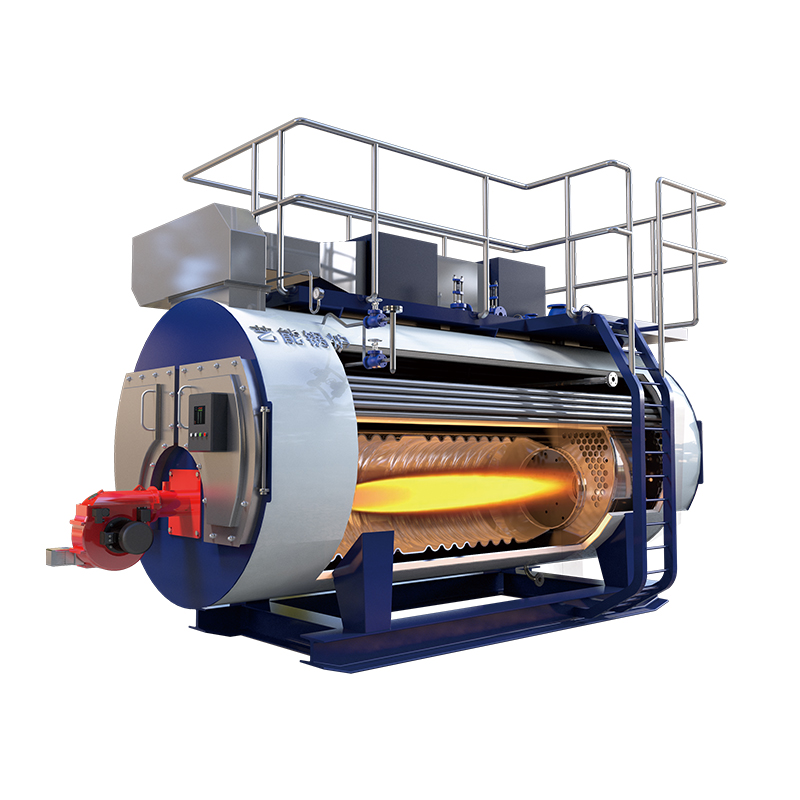
At the heart of its efficiency is the sophisticated burner arrangement. The top-mounted burner directs flames into a multi-ring water pipe system. The combustion gases flow longitudinally from the inner ring to the second ring and finally through a third ring, ensuring maximum heat transfer before entering the economizer. This longitudinal washing process optimizes the heating area, ensuring that every unit of fuel is converted into usable thermal energy with minimal exhaust loss.

Integrated Control Systems for Process Reliability and Safety
In the demanding environment of a leather factory, steam instability can lead to uneven tanning or material defects. The LSS through-flow steam boiler addresses this by incorporating a fully reliable control suite. The system features integrated temperature, pressure, and liquid level controls that operate in tandem to maintain a steady state of operation, regardless of the load variations in the production hall.
Safety and precision are further enhanced by the boiler's design. The combination of a high-efficiency economizer and a streamlined flue system ensures that emissions are managed effectively while recapturing waste heat. This not only improves the overall efficiency—reaching up to 93.2% in some models—but also ensures the equipment complies with rigorous industrial safety standards, reducing the risk of unplanned downtime during critical production cycles.
Application Logic in Leather Production and Energy Management
Leather production involves multiple stages—from liming and tanning to finishing—each requiring specific steam pressures and temperatures. The LSS boiler is particularly suited for these applications because of its ability to provide sufficient output within a small footprint. For instance, the LSS0.3 to LSS2.0 models allow facility managers to scale their steam capacity based on the specific volume of hides processed per day.
From an energy management perspective, the choice between gas and diesel fuels allows factories to adapt to local fuel availability and cost. The high efficiency of the LSS series helps in lowering the overall cost per square foot of leather produced. By reducing the infrastructure investment and operating costs, leather manufacturers can allocate more resources toward sustainable tanning chemicals and advanced finishing machinery.
LSS Series Technical Specifications and Fuel Consumption
| Model Range | Capacity (t/h) | Efficiency (%) | Max Pressure (Mpa) |
|---|---|---|---|
| LSS0.3 - LSS0.5 | 0.3 - 0.5 | 92.2% - 93.2% | 1.0 |
| LSS0.8 - LSS1.0 | 0.8 - 1.0 | 92.4% - 92.8% | 1.0 |
| LSS1.5 - LSS2.0 | 1.5 - 2.0 | 92.5% - 92.7% | 1.0 |
| Gas Consumption | 23.2 - 154.4 Nm³/h | Application Dependent | Standard Range |
| Diesel Consumption | 19.6 - 130.4 Kg/h | Application Dependent | Standard Range |
Manufacturing Excellence and Quality Assurance Standards
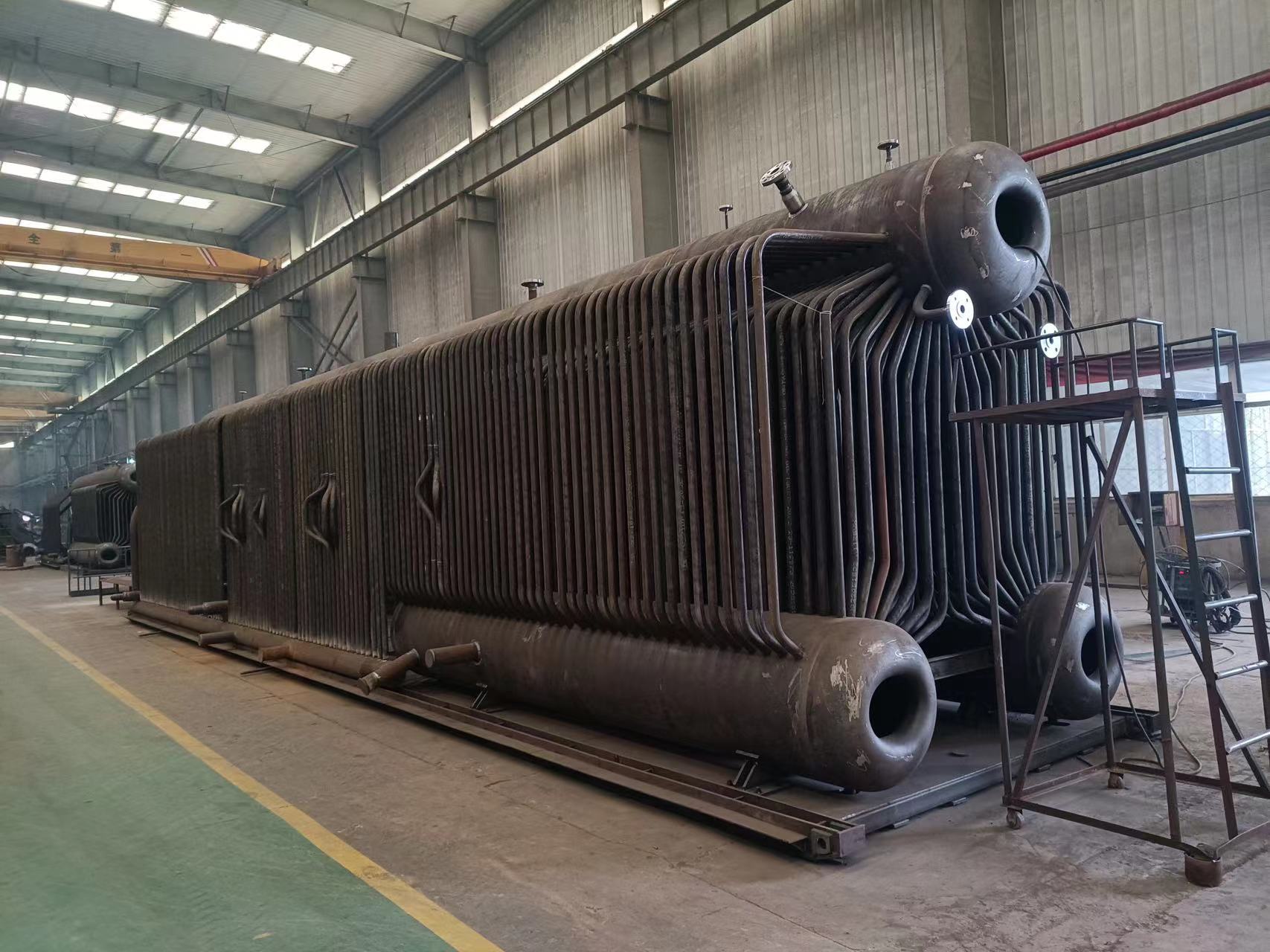
The reliability of a steam system is a direct result of its manufacturing precision. Hebei Yineng Boiler Co., Ltd. employs a comprehensive suite of CNC machinery, including CNC bending and drilling machines, as well as robot welding systems, to ensure that every weld and joint meets the highest pressure vessel standards. The company holds the Class A boiler manufacturing license and ISO9001 certification, ensuring that each unit is built to international quality benchmarks.
A distinguishing feature of the production process is the on-site boiler energy efficiency test station. Every LSS unit undergoes rigorous testing before leaving the factory, verifying that the actual thermal efficiency matches the technical parameters. This commitment to quality ensures that when a boiler is installed in a leather facility, it performs consistently, reducing the need for frequent maintenance and ensuring long-term operational stability.
Selecting the Optimal Steam Solution for Industrial Growth
When evaluating a boiler for leather factory operations, procurement managers should focus on the balance between capacity and efficiency. The LSS series offers a scalable range from 0.3 to 2.0 t/h, allowing for modular expansion as production increases. Key considerations should include the available floor space, the preferred fuel source (gas or diesel), and the specific peak steam loads required by the tanning drums and drying ovens.
Looking forward, the trend in industrial steam generation is moving toward higher automation and lower emissions. The LSS through-flow design is well-positioned for this shift, offering a streamlined path toward energy-saving operations. By investing in equipment with verified efficiency and robust control systems, leather manufacturers can ensure their facilities remain competitive in a global market that increasingly values environmental sustainability and resource efficiency.
Common Technical Questions Regarding LSS Steam Boilers
What are the primary advantages of the through-flow design for leather processing?
The through-flow design allows for a much smaller water volume and a compact vertical structure, resulting in faster steam generation, reduced installation space, and lower infrastructure costs compared to traditional shell boilers.
Can the LSS boiler run on both gas and diesel fuels?
Yes, the LSS series is designed to be compatible with both gas and diesel burners, allowing factories to select the most cost-effective fuel source available in their region.
How is the thermal efficiency of the LSS series maintained?
Efficiency is maximized through a three-ring longitudinal heat exchange system and an integrated economizer that recaptures waste heat from flue gases before they are discharged.
What safety controls are included in the standard LSS configuration?
The system comes equipped with fully reliable temperature control, pressure control, and liquid level control to prevent overheating and over-pressurization.
What is the typical installation period for this type of boiler?
Due to its compact structure and reduced infrastructure requirements, the LSS through-flow steam boiler offers a significantly shorter installation period than larger, traditional boiler systems.
How does the boiler ensure consistent steam output during peak demand?
The vertical water tube arrangement and responsive burner system allow the boiler to ramp up steam production quickly, ensuring a steady supply even during peak processing hours.
Technical Resources and Industry Standards
- ISO 9001 Quality Management Systems Standards
- ASME Boiler and Pressure Vessel Code (BPVC) Guidelines
- International Energy Agency - Industrial Energy Efficiency Reports
- EPA Guidelines for Industrial Combustion Emissions
Choosing the right thermal energy system is a long-term investment in production stability. For customized specifications and energy audits, consult with our engineering team to match the LSS series capacity to your specific operational load.
Related Thermal Energy Solutions