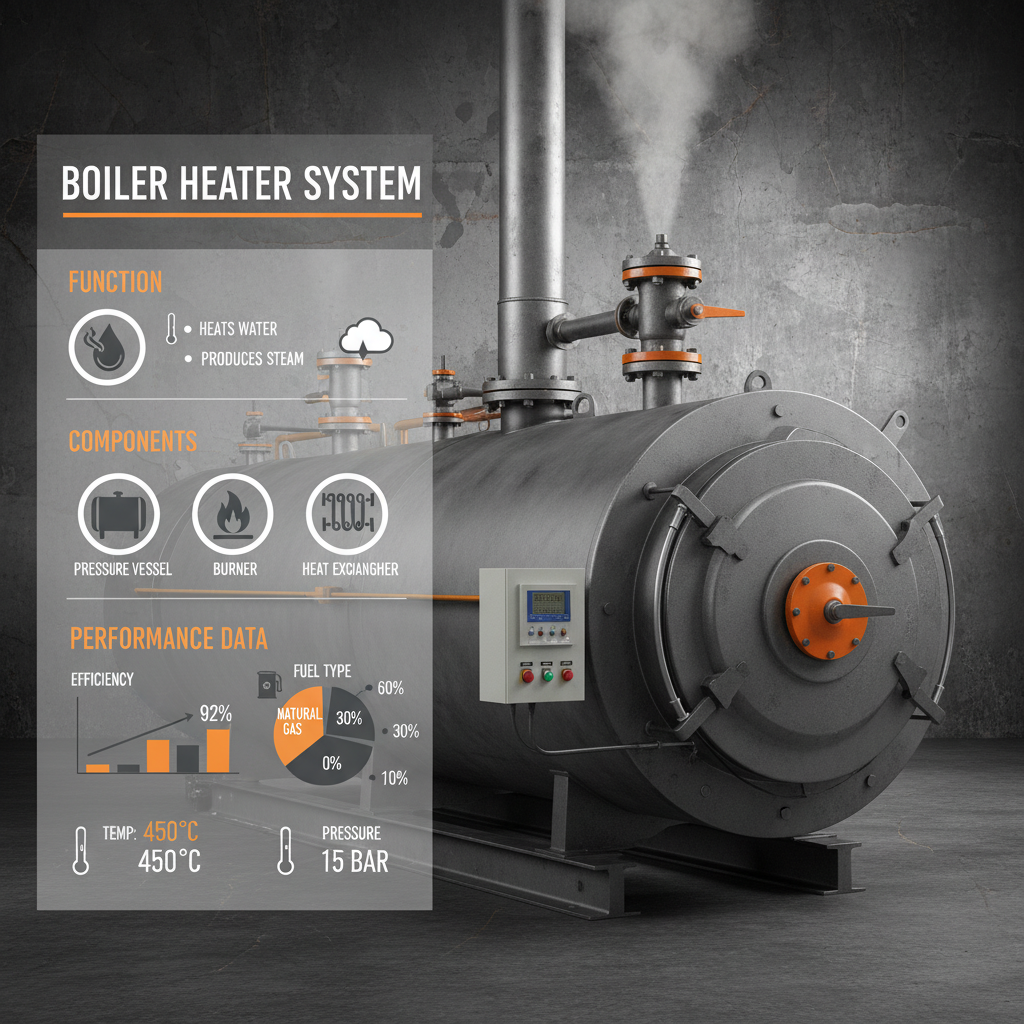
The industrial heating sector is currently witnessing a critical shift toward combustion optimization and emissions reduction, driving global procurement teams to re-evaluate their partnerships with any dutch boiler manufacturer capable of delivering high-efficiency thermal systems. As regulatory pressures on carbon output intensify, the focus has moved beyond simple steam generation toward complex heat recovery and precise fuel-air ratio management.
This transition is particularly challenging for heavy industries that rely on diverse fuel sources, where the technical difficulty lies in maintaining stable thermal efficiency while minimizing the "dead water" zones and sludge accumulation that typically plague lower-tier boiler designs. The ability to integrate spirally corrugated tubes and optimized furnace arches has become a benchmark for engineering reliability and operational longevity.
This analysis explores the engineering architecture of modern high-efficiency boilers, examining how specific design choices—from drum construction to wind box sealing—impact long-term ROI. By analyzing these technical parameters, we provide a framework for evaluating the capabilities of a dutch boiler manufacturer in the context of contemporary energy-saving standards.


The core of a high-performance boiler resides in its drum construction. Utilizing an arched tube sheet combined with spirally corrugated tubes is a strategic engineering choice designed specifically to prevent the tube sheet from cracking under extreme thermal cycling. This architecture ensures that the physical stress is distributed more evenly across the structure.
Furthermore, the arrangement of ascending calandria under the drum is critical. This specific configuration eliminates the dead water zones at the bottom of the drum, which are typically where sludge settles and causes localized overheating. By optimizing this flow, the high-temperature region of the drum receives superior cooling, effectively eliminating the bulge phenomenon.
The adoption of spirally corrugated tubes is not merely a design preference but a performance requirement for modern thermal plants. These tubes increase the effective heat transfer surface area and create turbulence in the fluid flow, which significantly accelerates temperature rise and enhances the overall steam rate. This allows the system to reach operating pressure faster, reducing start-up energy waste.
From an engineering perspective, the design of the furnace arch is equally vital. A rationally designed arch improves the internal combustion condition and enhances the dust-falling function. This mechanical optimization ensures that particulate matter is managed more effectively, which directly reduces the pollutant emissions of the boiler without requiring excessive secondary filtration.
Finally, the sealing integrity of the wind box determines the precision of the air supply. High-quality sealing reduces the air excess coefficient, meaning the boiler does not waste energy heating unnecessary excess air. This precision is what allows a professional dutch boiler manufacturer to increase total thermal efficiency.
One of the most persistent failures in industrial boilers is the accumulation of sludge in stagnant water zones. When water stops circulating effectively, minerals precipitate, creating an insulating layer that prevents the metal from cooling. This leads to localized "hot spots" and eventual structural failure.
This mechanical approach to maintenance reduces the frequency of manual descaling and chemical cleaning. For plant managers, this translates to fewer unplanned shutdowns and a more predictable maintenance schedule, which is essential for continuous-process manufacturing.
Evaluating the performance of a boiler requires looking at the correlation between air-fuel ratios and thermal output. An optimized wind box and furnace arch design directly impact the air excess coefficient, which is a primary driver of fuel waste.
The following data represents a normalized engineering assessment of different design configurations, comparing standard flat-tube designs against corrugated-tube systems with optimized furnace arches.
In typical industrial deployment scenarios, such as chemical processing or large-scale textile manufacturing, the boiler must handle fluctuating steam demands while maintaining a strict emission profile. The use of biomass or coal-fired systems requires robust grate technology and efficient ash removal to prevent downtime.
Engineering teams often prioritize boilers that offer modularity and ease of integration with existing heat exchangers. A representative engineering scenario involves replacing aging legacy boilers with newer, corrugated-tube systems to reduce fuel consumption without increasing the physical footprint of the boiler room.
The industry is moving toward "intelligent thermal management," where PLC-controlled systems dynamically adjust the air-fuel ratio in real-time based on the calorific value of the fuel. This reduces the reliance on static wind box designs and further lowers the air excess coefficient.
In terms of metallurgy, the development of higher-grade alloy steels for tube sheets is expected to further mitigate the risk of cracking under high-pressure conditions. We are seeing a transition toward more sustainable fuels, meaning boilers must be designed for "fuel flexibility," capable of switching between biomass, gas, and oil without significant hardware overhauls.
Furthermore, waste heat recovery is becoming a mandatory integration. Future systems will not just produce steam but will act as centralized energy hubs, capturing exhaust gas heat to preheat feed water, thus pushing thermal efficiency toward theoretical limits.
Choosing the right boiler configuration requires balancing initial capital expenditure (CAPEX) against long-term operational expenditure (OPEX). The decision usually hinges on the required steam rate and the available fuel infrastructure.
The table below provides an evaluation framework for different configuration profiles, helping procurement officers distinguish between baseline and high-duty options.
It is important to verify these configurations against specific site requirements and fuel specifications provided by the dutch boiler manufacturer.
| Configuration Type | Heat Transfer Method | Efficiency Factor | Recommended Use Case |
|---|---|---|---|
| Basic Profile | Flat Tube Sheet | Standard | Low-demand utility heating |
| Standard Profile | Corrugated Tubes | Enhanced | Medium-scale manufacturing |
| High-Duty Profile | Corrugated + Opti-Arch | High | Continuous heavy industrial |
| Precision Profile | PLC + Sealed Wind-Box | Optimal | Strict emission-controlled zones |
| Automated Profile | Full Digital Integration | Maximum | Smart factory heat hubs |
| Industry Baseline | Standard Steel/Water | Baseline | General commercial applications |
Corrugated tubes increase the internal surface area compared to straight tubes and induce turbulence in the water flow. This turbulence breaks the boundary layer of the fluid, which significantly enhances the heat transfer coefficient. As a result, the water reaches boiling point more rapidly, increasing the overall steam production rate while reducing the fuel required to maintain a specific temperature.
Dead water zones are areas of stagnation where water does not circulate. In these zones, suspended solids and minerals settle to form sludge. This sludge acts as an insulator, preventing the boiler metal from being cooled by the water, which leads to localized overheating and "bulging" of the boiler shell. By using ascending calandria, the flow is kept constant, ensuring the drum is cooled uniformly and preventing structural failure.
A sealed wind box prevents uncontrolled air leakage into the combustion chamber. When air leaks occur, the ratio of air to fuel becomes imbalanced, often leading to an excessively high air excess coefficient. This means the boiler wastes a significant amount of thermal energy heating up air that isn't needed for combustion. Precision sealing ensures that only the optimal amount of air reaches the flame, maximizing thermal efficiency.
For emission reduction, a combination of an optimized furnace arch and a precision-controlled wind box is best. The furnace arch improves the combustion environment and encourages dust-falling, which reduces particulate matter in the exhaust. When paired with a sealed wind box and PLC control, the combustion is more complete, which lowers the output of CO and other pollutants.
Yes, most modern industrial boilers are designed for system integration. By installing an economizer or a waste heat recovery boiler (EGB) in the exhaust stream, the heat from the flue gases can be used to preheat the boiler feed water. This integration typically increases the overall plant efficiency and reduces the total fuel consumption per ton of steam produced.
Buyers should evaluate the manufacturer based on their adherence to certified quality standards (such as ISO9001) and their specific design solutions for common failure points. Key indicators include the use of arched tube sheets to prevent cracking, the method of eliminating dead water zones, and the presence of an in-house energy efficiency test station to verify performance before the unit leaves the factory.
The evidence suggests that the transition from standard boiler designs to those incorporating corrugated tubes, optimized furnace arches, and advanced drum architectures is no longer optional for industries aiming for energy efficiency. The elimination of dead water zones and the reduction of the air excess coefficient provide a dual benefit: increased operational lifespan and reduced daily fuel costs.
For procurement officers and engineers, the practical implication is clear: prioritize technical specifications that address structural stress and thermal flow over simple capacity metrics. Selecting a dutch boiler manufacturer that can demonstrate these specific engineering solutions is the most reliable path to ensuring long-term plant stability and regulatory compliance.