How Long Can Molten Salt Boiler Heat
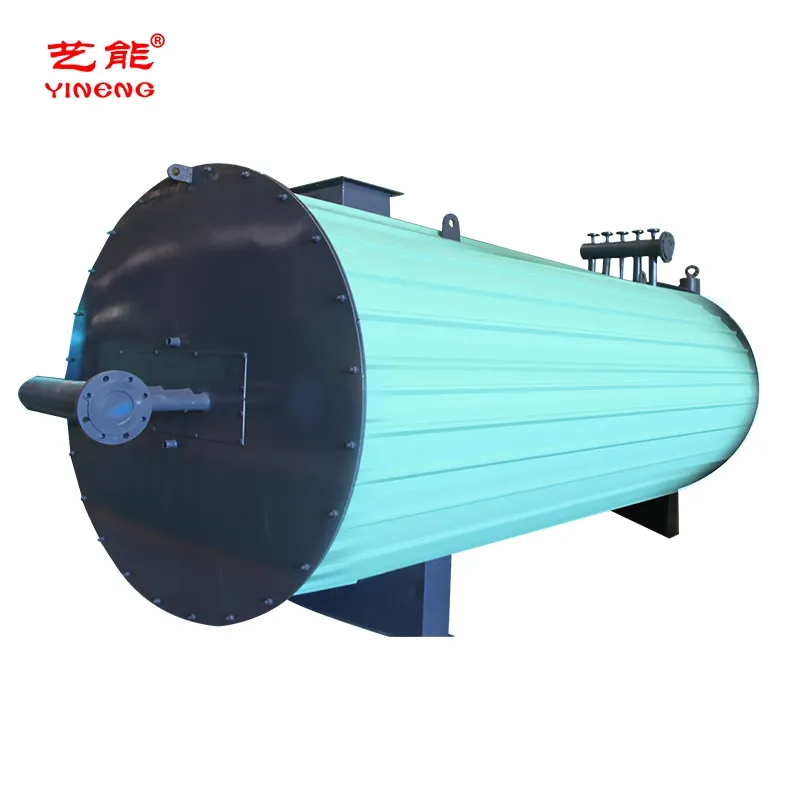
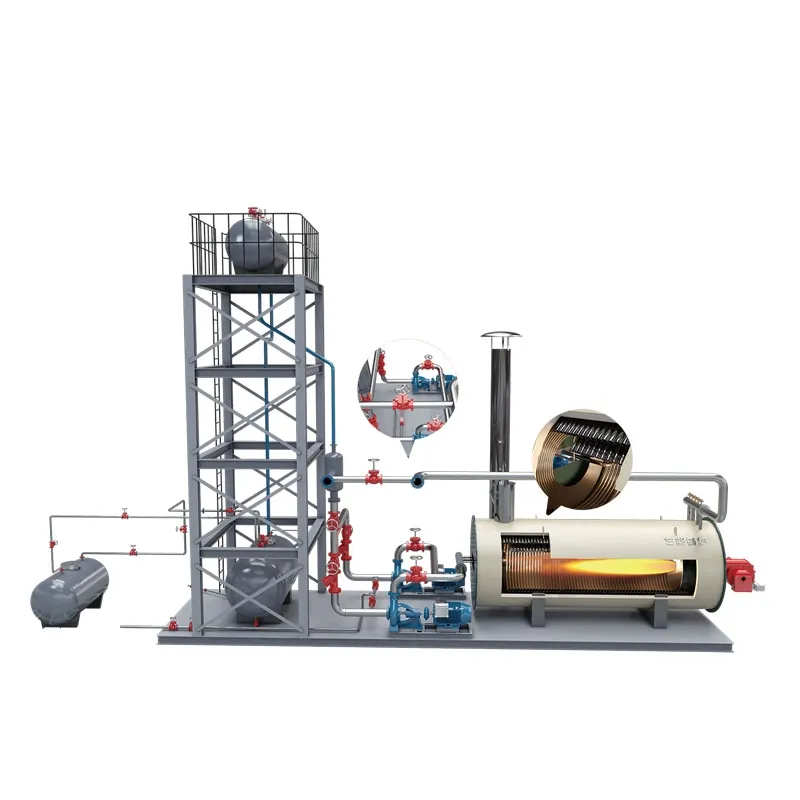
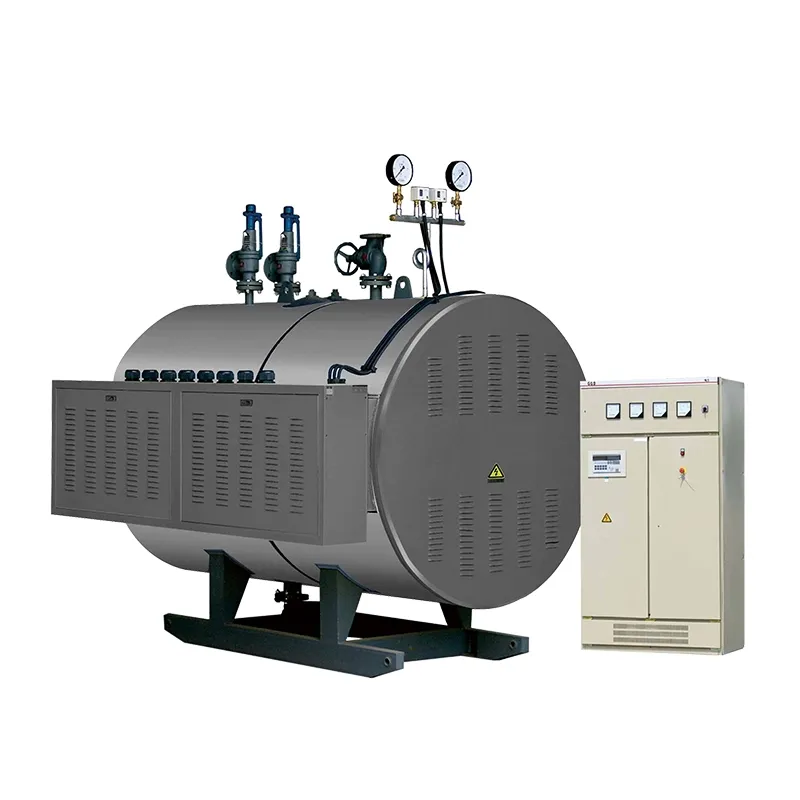
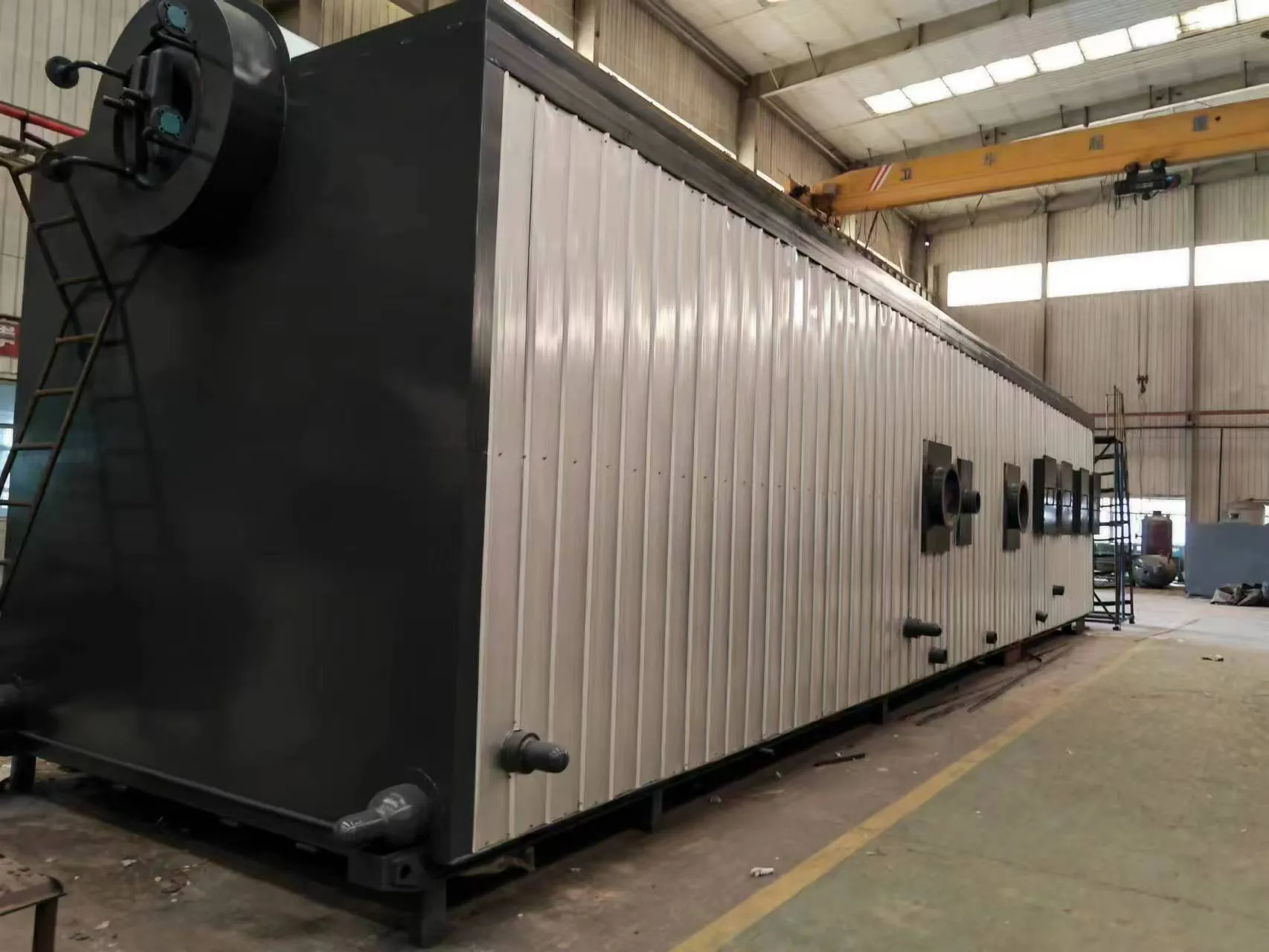
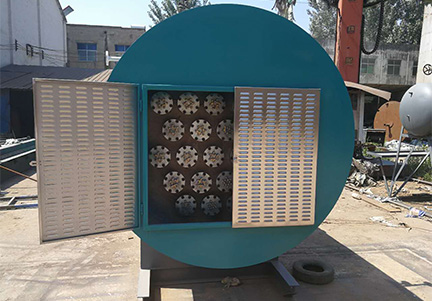
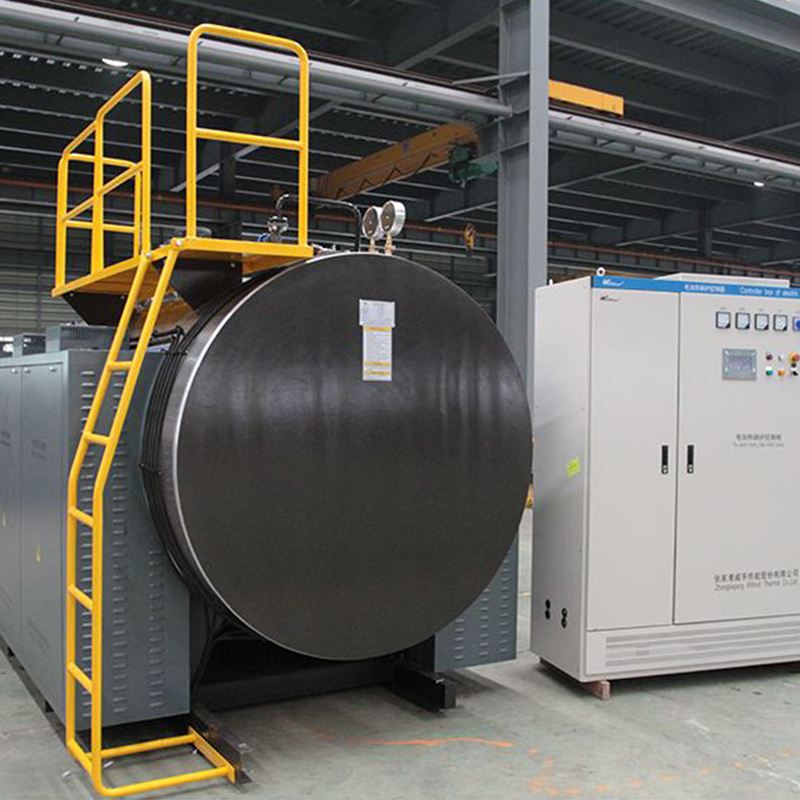
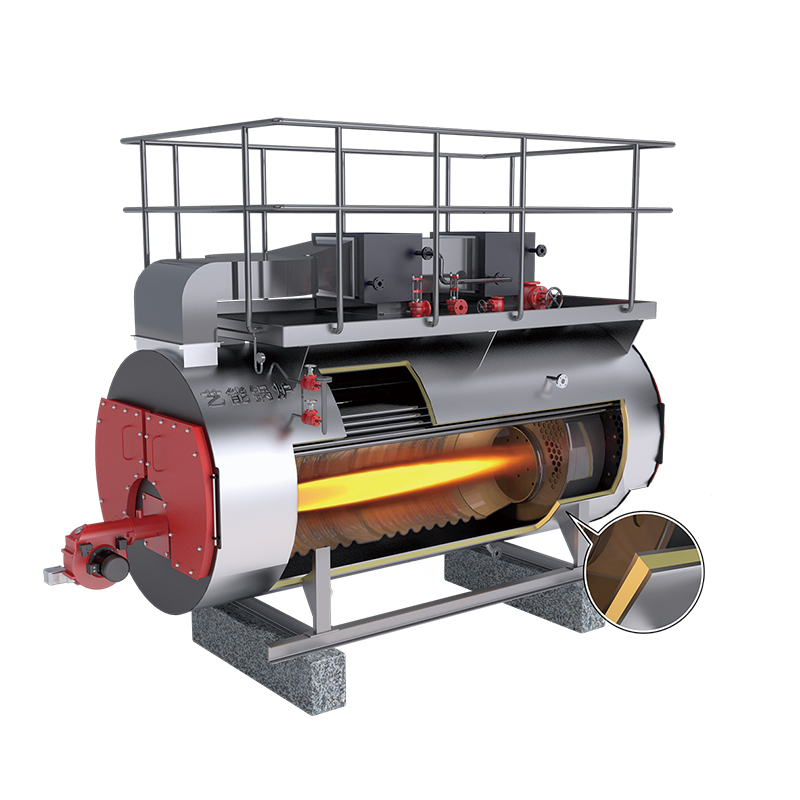
A molten salt boiler is designed to store and transfer high-temperature thermal energy using molten salts as the heat transfer medium, and its heating duration depends on the system’s design, salt volume, and heat demand. Molten salts, typically mixtures of sodium nitrate and potassium nitrate, can remain stable at temperatures up to 565°C (1,049°F) without vaporizing, allowing the boiler to store significant amounts of energy for extended periods. Once heated, the salts circulate through a closed-loop system to deliver heat to steam generators, turbines, or industrial processes.
The duration that a molten salt boiler can continue supplying heat depends largely on the thermal capacity of the stored salt and the rate at which energy is drawn. Large-scale concentrated solar power plants, for example, use molten salt boilers to provide continuous heat for 6 to 12 hours after sunset, effectively extending the operation of steam turbines without additional fuel input. Industrial molten salt boilers used in chemical or power applications may provide steady heat for several hours or even days, depending on insulation, system size, and process requirements.
Efficiency is influenced by heat losses, insulation quality, and the operating temperature range. Advanced designs minimize heat dissipation, allowing the salts to retain energy for longer periods. Safety mechanisms, such as pressure relief systems and temperature monitoring, are critical to prevent overheating or thermal decomposition. Overall, a molten salt boiler offers a reliable and flexible heat source, capable of sustaining high-temperature operations continuously for hours, making it ideal for energy storage and uninterrupted industrial heating applications.