
Jan . 30, 2026 17:26
In today’s industrial landscape, energy efficiency and sustainability are no longer optional—they are critical for reducing operational costs and environmental impact. Waste Heat Recovery Boilers (WHRB) have emerged as a pivotal technology, capturing otherwise lost heat from flue gases or exhaust streams and converting it into useful steam or hot water. This article explores the principles, applications, and benefits of waste heat recovery boilers in modern industrial operations.
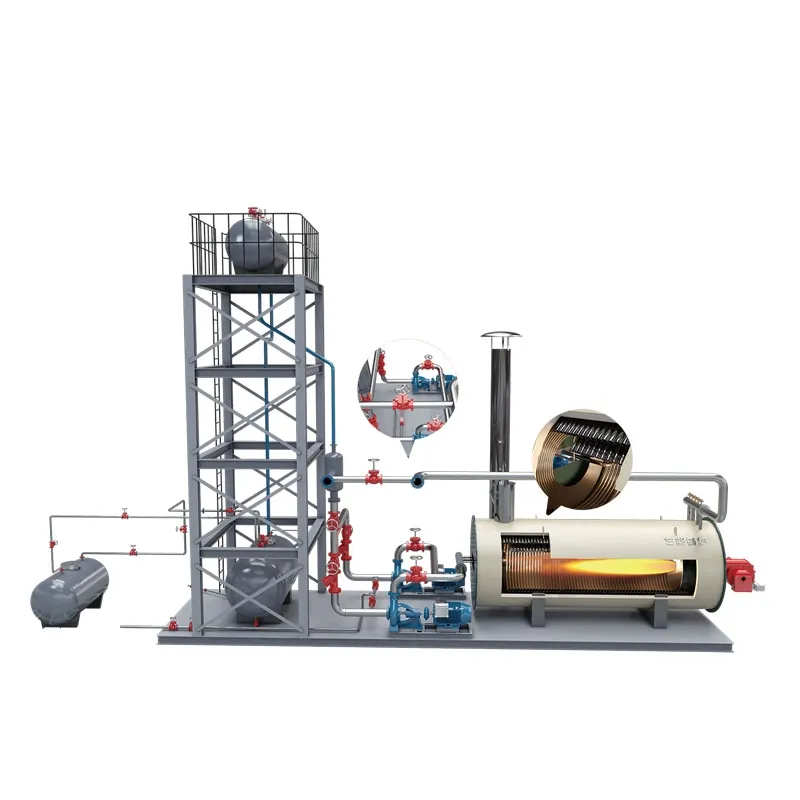
A Waste Heat Recovery Boiler is a type of heat exchanger that recovers heat from hot exhaust gases generated by industrial processes or power plants. Instead of allowing this thermal energy to dissipate into the atmosphere, WHRBs capture it to produce steam, which can then be used for power generation, process heating, or hot water supply. Essentially, a WHRB transforms waste heat into a valuable energy resource, enhancing overall energy efficiency.
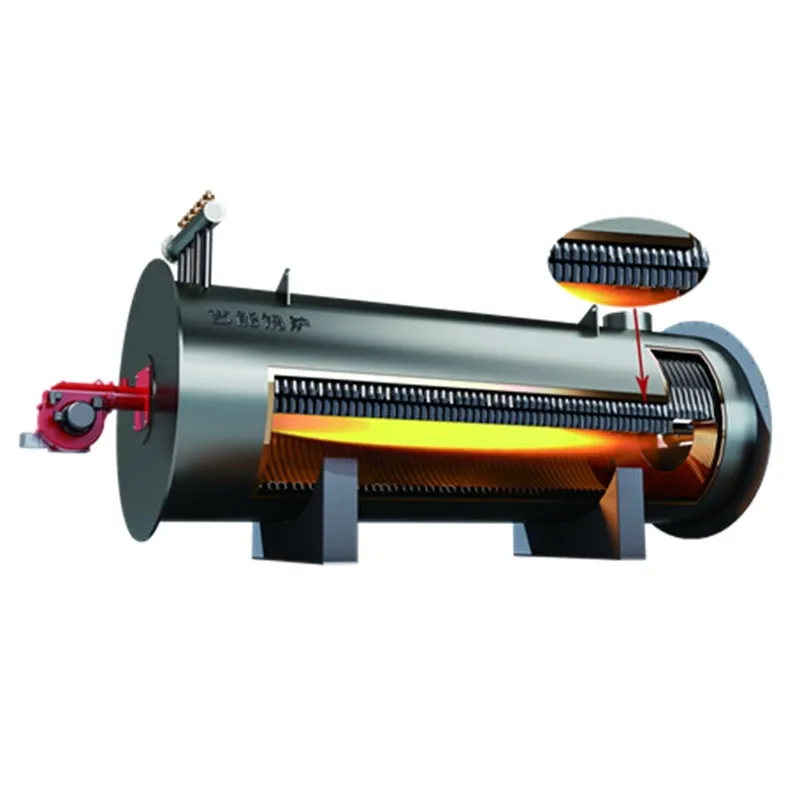
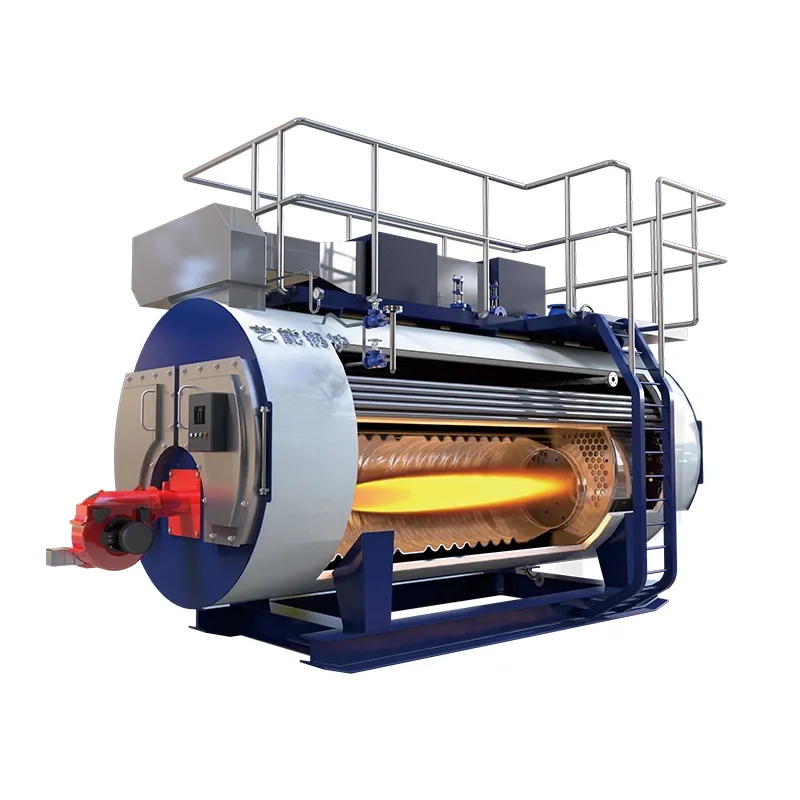
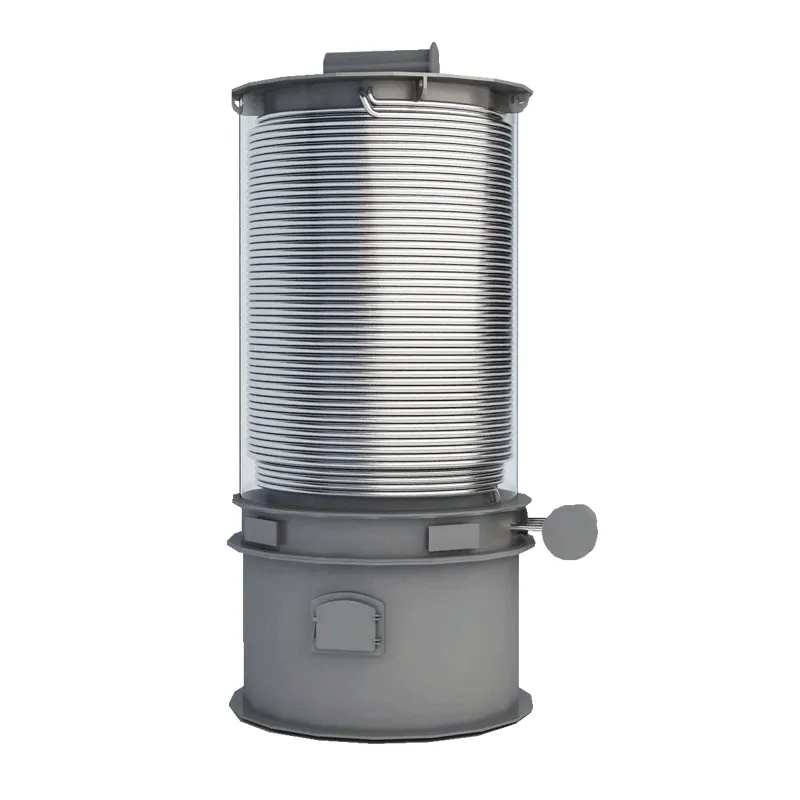
The operation of a WHRB is relatively straightforward. Hot exhaust gases pass through a series of heat exchange surfaces, typically arranged in tubes or economizers. Water flowing inside these tubes absorbs the thermal energy, producing steam or hot water. The cooled exhaust gases are then safely released into the atmosphere with significantly lower temperatures, reducing energy loss and emissions. Depending on the application, WHRBs can be designed as:
Fire-tube boilers: Hot gases flow through tubes surrounded by water.
Water-tube boilers: Water flows inside tubes heated externally by flue gases.
These designs allow customization based on exhaust temperature, flow rate, and desired steam output.
WHRBs are widely used across industries where high-temperature exhaust gases are a byproduct. Key applications include:
Power Generation:
Integrated Gasification Combined Cycle (IGCC) plants and combined cycle power plants often use WHRBs to improve thermal efficiency.
By capturing exhaust from gas turbines, the boiler generates additional steam to drive steam turbines, boosting overall electricity output.
Cement Industry:
Cement kilns produce extremely hot exhaust gases. WHRBs recover this heat to generate steam for electricity or preheating raw materials.
This reduces reliance on external fuel sources and lowers production costs.
Steel and Metal Processing:
Steel furnaces and metallurgical processes release high-temperature flue gases.
WHRBs recover heat for process steam, reducing the need for separate fuel-fired boilers.
Petrochemical and Refining:
Refineries emit hot gases during cracking and distillation.
WHRBs can provide process steam, lowering energy consumption and improving overall plant efficiency.
Waste-to-Energy Plants:
Municipal solid waste incinerators often use WHRBs to generate steam or electricity from hot flue gases, enhancing energy recovery.
The advantages of implementing WHRBs in industrial operations are substantial:
Energy Savings: Recovering waste heat reduces fuel consumption in boilers or turbines, lowering operational costs.
Environmental Benefits: Lower fuel use translates into reduced greenhouse gas and pollutant emissions.
Operational Efficiency: By supplementing existing boilers, WHRBs improve system flexibility and reduce dependency on primary fuel sources.
Return on Investment: Although initial capital costs can be high, energy savings often allow payback within a few years.
Process Optimization: The generated steam can be used in multiple processes, improving overall plant productivity.
Waste Heat Recovery Boilers are a vital component of modern energy-efficient industrial systems. By capturing and utilizing energy that would otherwise be wasted, WHRBs reduce fuel costs, lower emissions, and enhance operational efficiency. From power plants and steel mills to cement factories and refineries, WHRB technology provides a sustainable solution to meet the growing demand for energy efficiency and environmental compliance.
In an era where sustainability and cost reduction are essential, integrating waste heat recovery boilers is not just an investment in equipment—it is an investment in the long-term competitiveness and environmental responsibility of industrial operations.