- Afrikaans
- Albanian
- Arabic
- Azerbaijani
- Belarusian
- Bengali
- Bulgarian
- Cebuano
- China
- China (Taiwan)
- Croatian
- Dutch
- English
- Esperanto
- French
- Georgian
- Greek
- Hebrew
- Hindi
- Hungarian
- Indonesian
- irish
- Italian
- Javanese
- kazakh
- Kyrgyz
- Lao
- Latin
- Latvian
- Macedonian
- Malay
- Maori
- Mongolian
- Myanmar
- Nepali
- Persian
- Polish
- Portuguese
- Romanian
- Russian
- Serbian
- Slovenian
- Spanish
- Tagalog
- Tajik
- Thai
- Turkmen
- Ukrainian
- Uzbek
- Vietnamese
In modern power generation, improving efficiency and balancing load demand are critical for both economic and environmental performance. Traditional coal and gas-fired power plants often face challenges during peak and off-peak electricity periods, as the plant’s thermal inertia makes rapid load adjustments difficult. Molten salt boilers have emerged as an innovative solution, providing high-temperature thermal energy storage and flexible heat supply. This case study examines the application of a molten salt boiler system in a mid-sized coal-fired power plant, demonstrating its impact on operational efficiency, load management, and emissions reduction.
The power plant under study is a 600 MW coal-fired facility with a peak load variation of up to 40% daily. Historically, the plant struggled to maintain efficiency during off-peak periods, often requiring partial load operation that decreased combustion efficiency and increased fuel consumption. Additionally, frequent ramp-ups and ramp-downs led to higher maintenance costs and thermal stress on boilers and turbines. To address these challenges, the plant integrated a molten salt boiler system as an auxiliary heat source and energy storage solution.
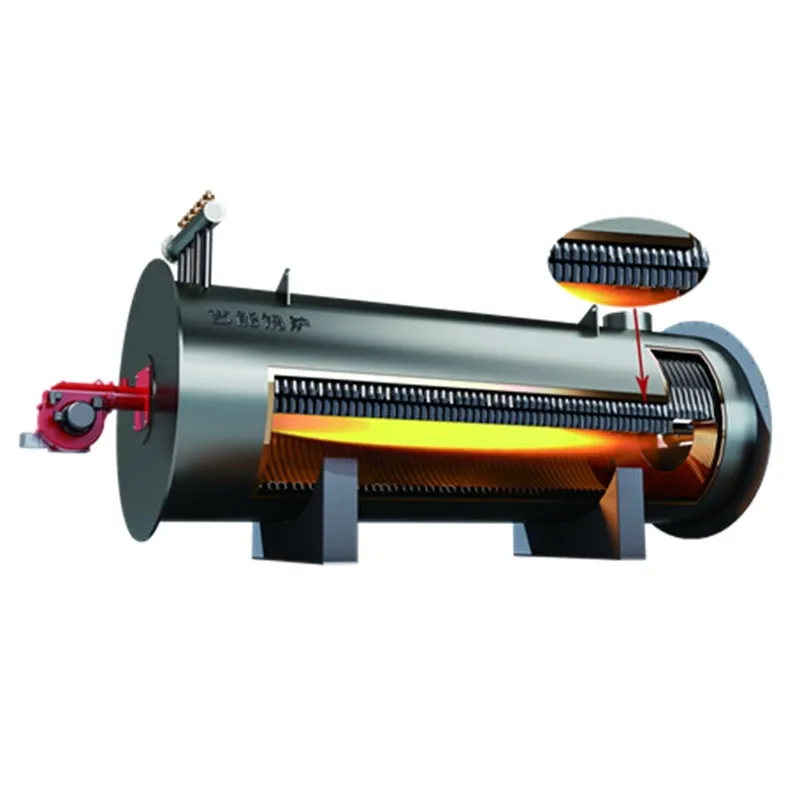
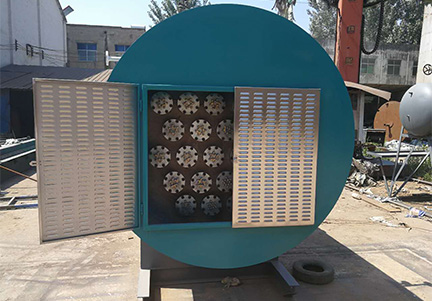
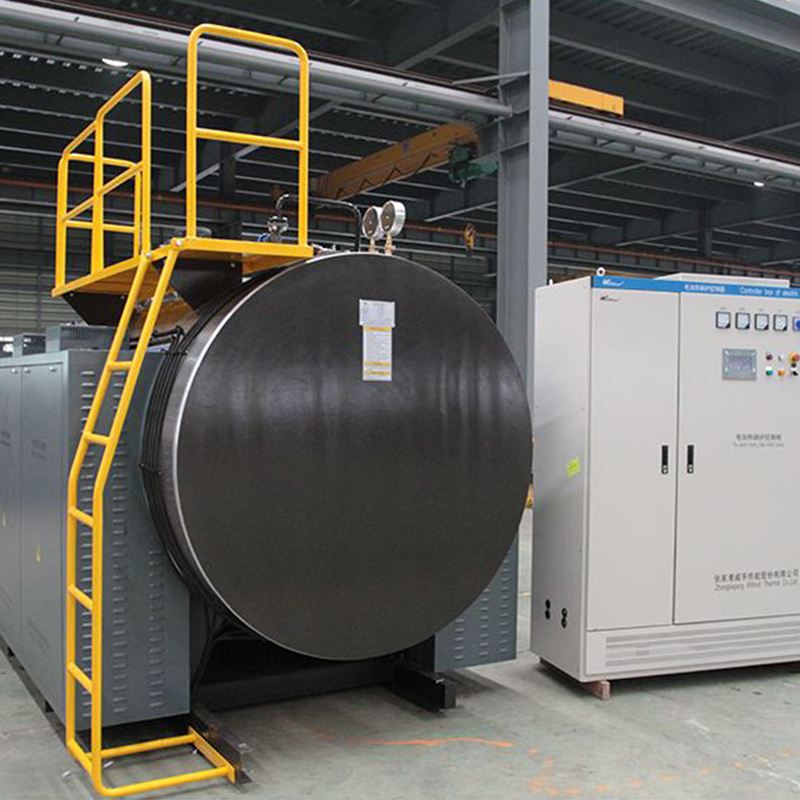
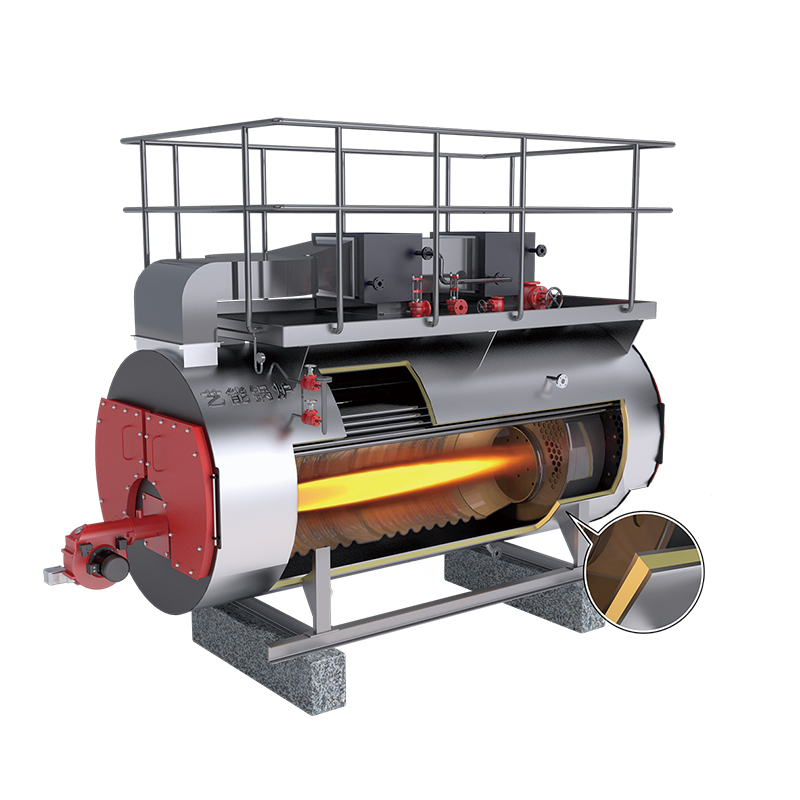
The selected system consisted of a high-capacity molten salt boiler capable of operating at temperatures up to 565°C and pressures around 10 MPa. Key selection criteria included:
High-temperature energy storage: Molten salt allows heat retention for hours, providing energy even when fuel input is reduced.
Rapid response capability: The boiler can supply or absorb heat quickly to stabilize steam conditions for the turbines.
Fuel flexibility: The system works alongside existing coal or gas boilers, allowing staged operation and efficient peak shaving.
Durability and safety: Designed with corrosion-resistant materials and multiple thermal expansion compensators to handle the high temperatures and cyclic operation.
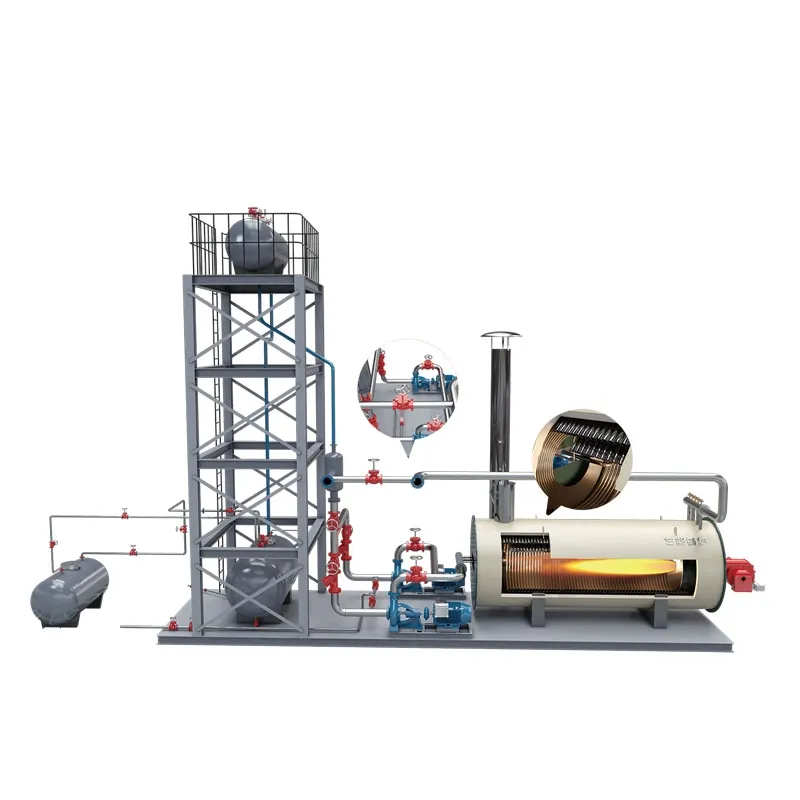
The system integrates with the plant’s existing steam network, including heat exchangers, storage tanks, and turbine feedwater lines, ensuring smooth interaction with the main boilers.
After installation, the molten salt boiler was connected in parallel with the conventional coal-fired boilers. During periods of low electricity demand, excess heat generated from coal or gas combustion is used to heat the molten salt, storing energy efficiently. When demand peaks or rapid load adjustments are required, the stored heat is converted into high-pressure steam, supplementing the main boilers and maintaining turbine stability.
Operators can adjust the amount of heat stored or released through an automated control system, which monitors grid demand, turbine performance, and fuel input. The system also reduces the need for frequent start-stop cycles of the main boilers, lowering mechanical wear and extending equipment life.
The integration of the molten salt boiler system yielded significant operational and economic benefits:
Improved load management: Peak demand periods are met without over-relying on fuel, reducing strain on the main boilers.
Enhanced thermal efficiency: By storing excess heat during off-peak periods, the plant maintains higher overall efficiency and reduces fuel consumption by approximately 8–12%.
Reduced emissions: Lower fuel consumption translates into reduced CO₂, SO₂, and NOx emissions, supporting environmental compliance and sustainability goals.
Operational flexibility: Rapid heat supply and absorption enable smoother ramping of turbines and stable grid frequency.
Maintenance savings: Reduced start-stop cycles minimize thermal stress and maintenance costs for the main boilers and steam turbines.
Additionally, the system provides an experimental platform for integrating renewable energy sources, such as concentrated solar power, with fossil-fuel plants, allowing further exploration of hybrid energy generation.
Molten salt boilers represent a transformative approach to improving the efficiency, flexibility, and sustainability of coal and gas-fired power plants. This case study demonstrates that integrating a molten salt boiler as an auxiliary system enables energy storage, peak load management, and reduced emissions without major modifications to the existing plant infrastructure. By leveraging high-temperature molten salt as a thermal reservoir, power plants can operate more efficiently, respond rapidly to grid demands, and extend the lifespan of critical equipment.
In the context of increasing renewable integration and stricter environmental regulations, molten salt boilers offer a strategic advantage for conventional power stations, providing both operational resilience and sustainable performance improvements.