Waste Heat Recovery Boiler Operation
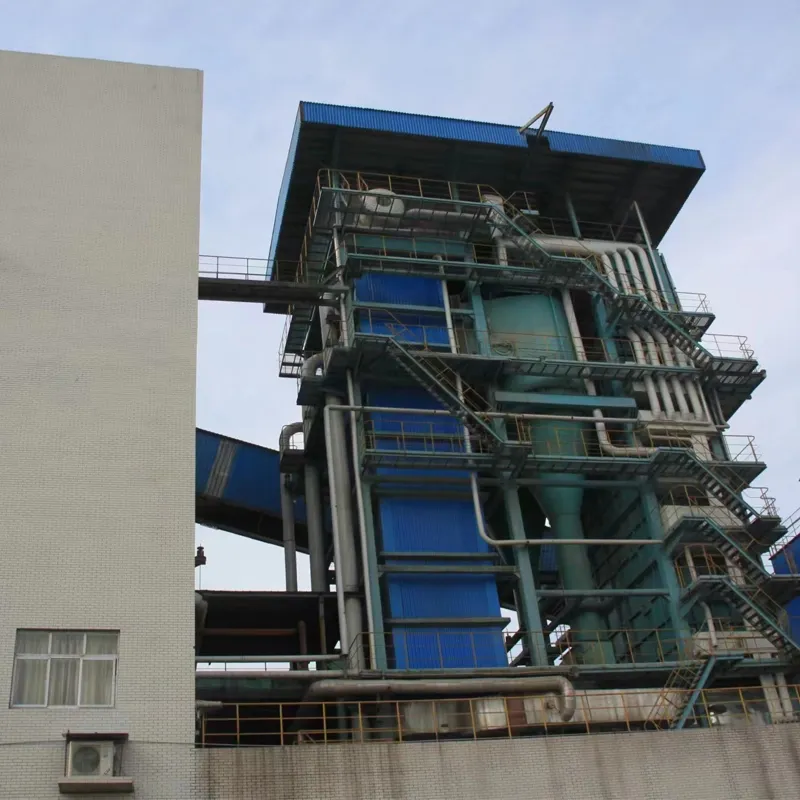
Waste heat recovery boiler (WHRB) operation is based on capturing and utilizing heat from exhaust gases or industrial processes that would otherwise be lost to the environment. These boilers are commonly used in industries such as power generation, cement, steel, and chemical processing, where high-temperature flue gases are produced. Instead of releasing this heat into the atmosphere, the WHRB transfers it to water to generate steam or hot water for reuse.
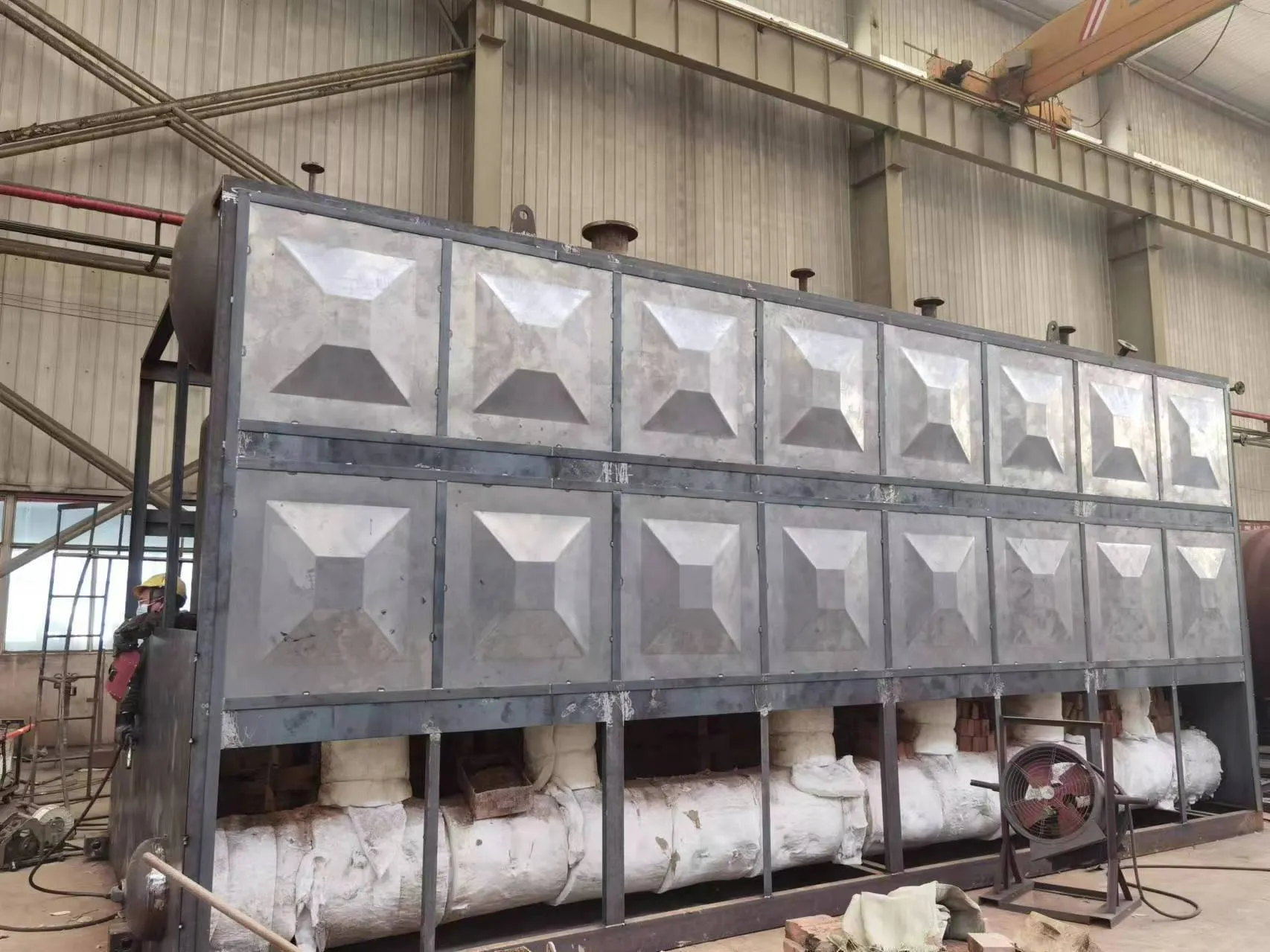
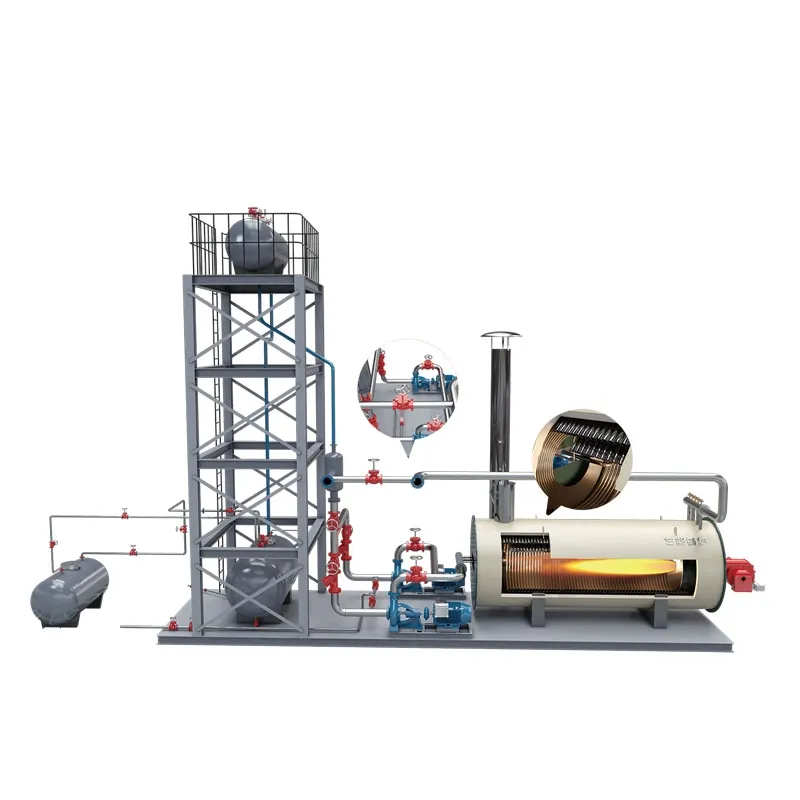
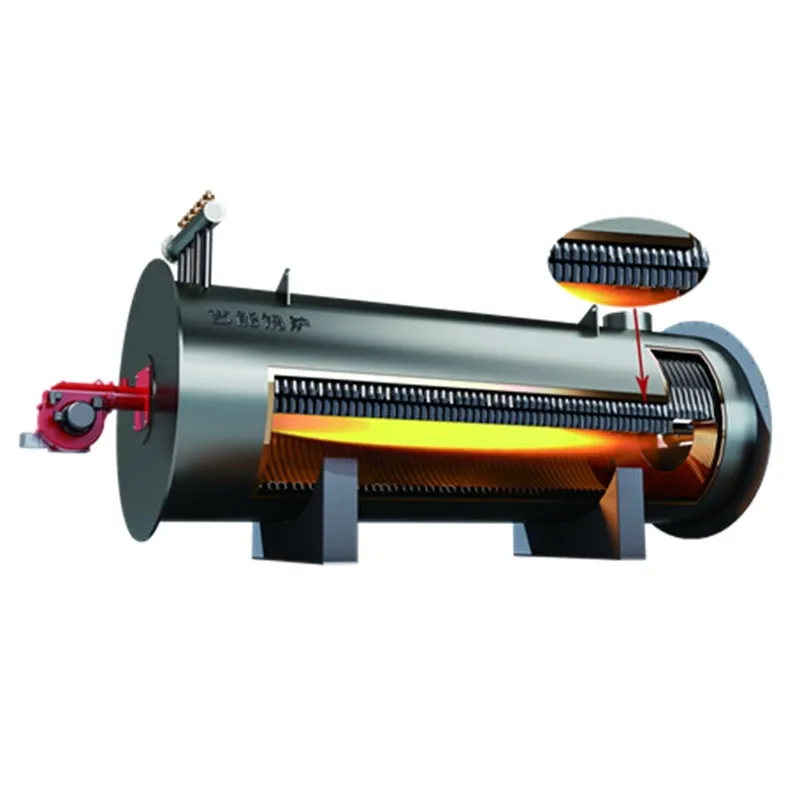
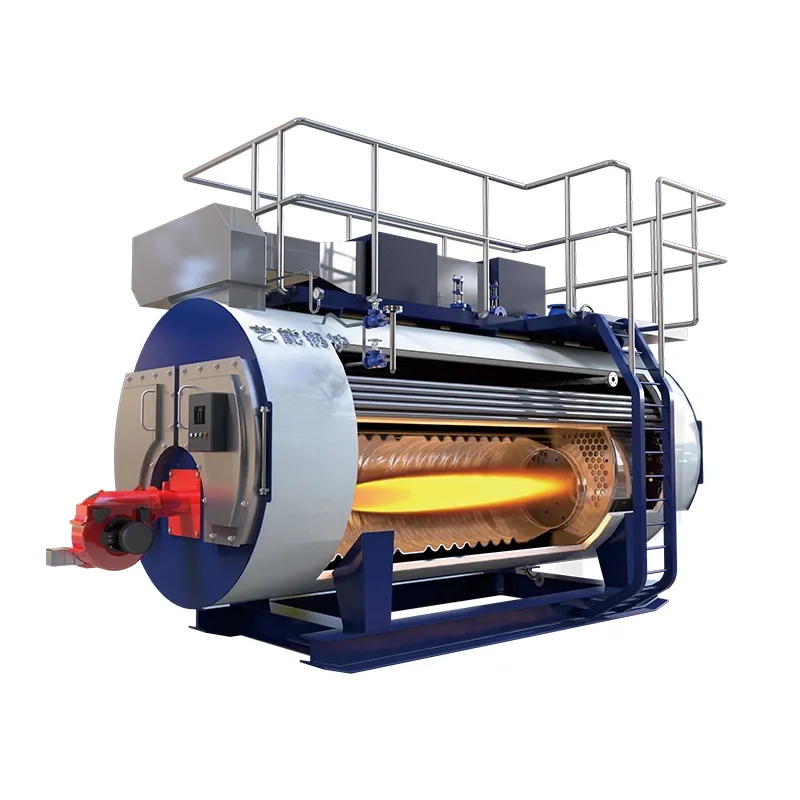
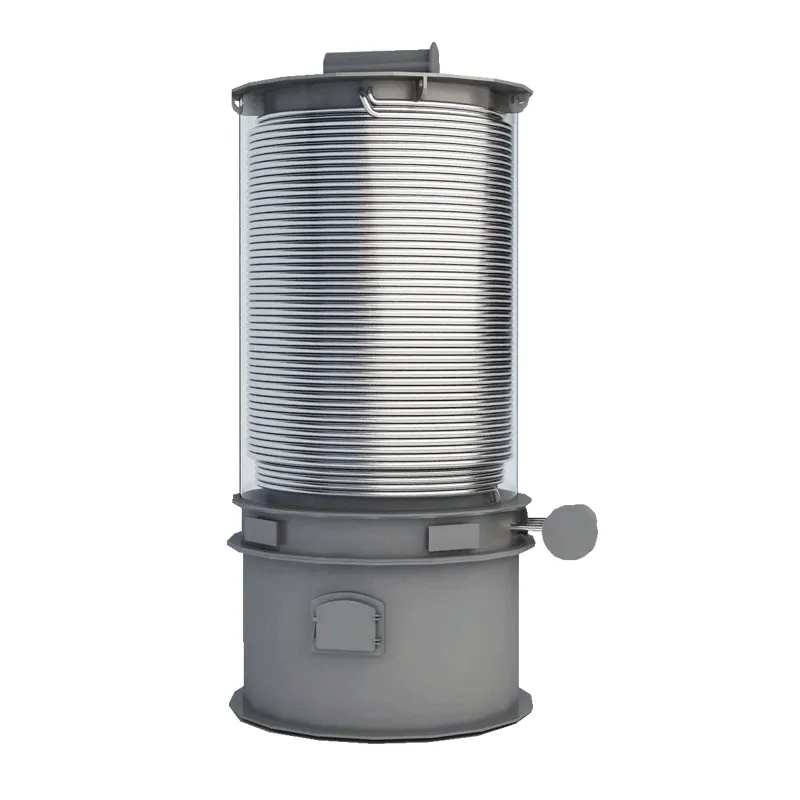
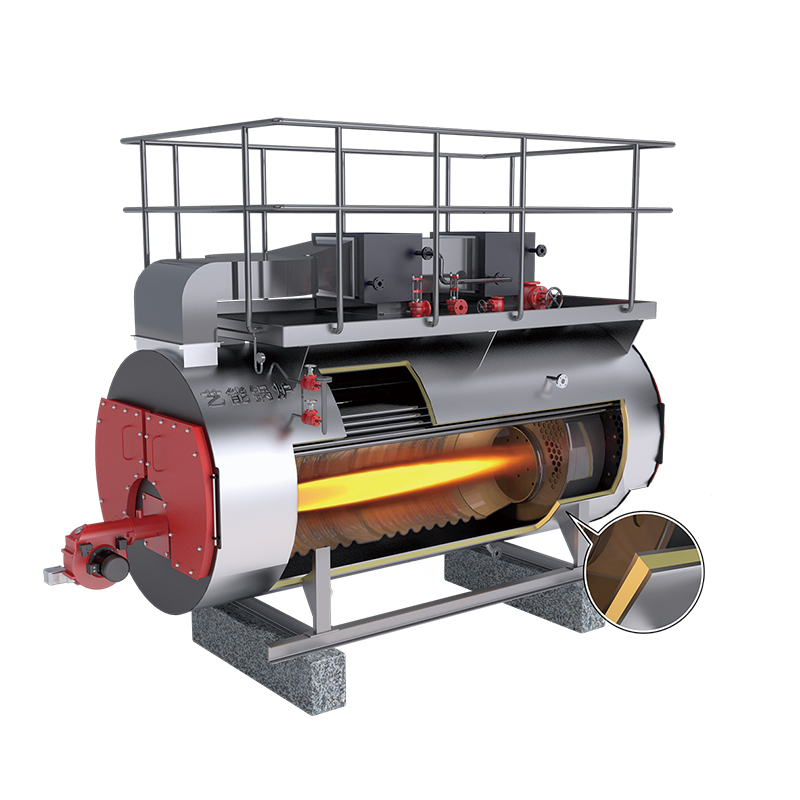
During operation, hot exhaust gases flow through a heat exchange system consisting of tubes or coils filled with water. As the gases pass over these surfaces, heat is transferred to the water, raising its temperature and often converting it into steam. The design ensures efficient heat transfer by maximizing surface area and maintaining proper gas flow velocity. The cooled exhaust gases are then discharged through a stack, significantly reducing thermal pollution.
The generated steam can be used for various purposes, such as driving turbines for power generation, supporting industrial heating processes, or supplying steam to other systems within the plant. This improves overall energy efficiency and reduces the need for additional fuel consumption. In some systems, supplementary firing may be used to maintain consistent steam output when waste heat is insufficient.
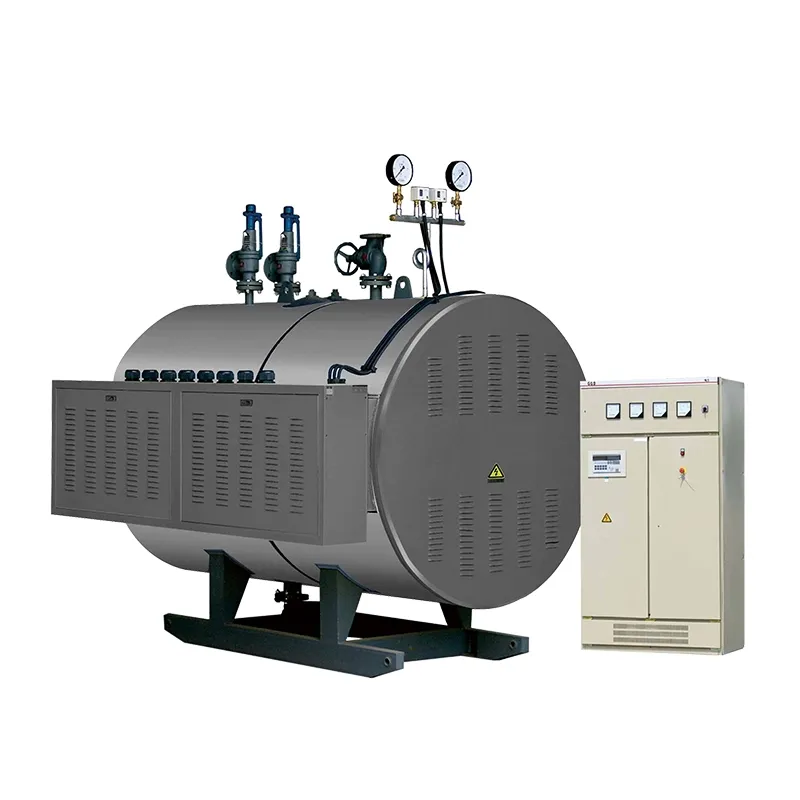
Proper control and monitoring are essential for safe and efficient operation. Parameters such as gas temperature, water level, pressure, and flow rate must be continuously regulated. Safety devices, including pressure relief valves and temperature controls, help prevent overheating and overpressure. Overall, waste heat recovery boiler operation enhances energy utilization, lowers operating costs, and supports environmental sustainability.