What Is The Difference Between Electric Thermal Fluid Heater And Boiler?
The main difference between an electric thermal fluid heater and a boiler lies in the way they transfer heat, their operating medium, and pressure requirements. Here’s a detailed comparison:
Heat Transfer Medium:
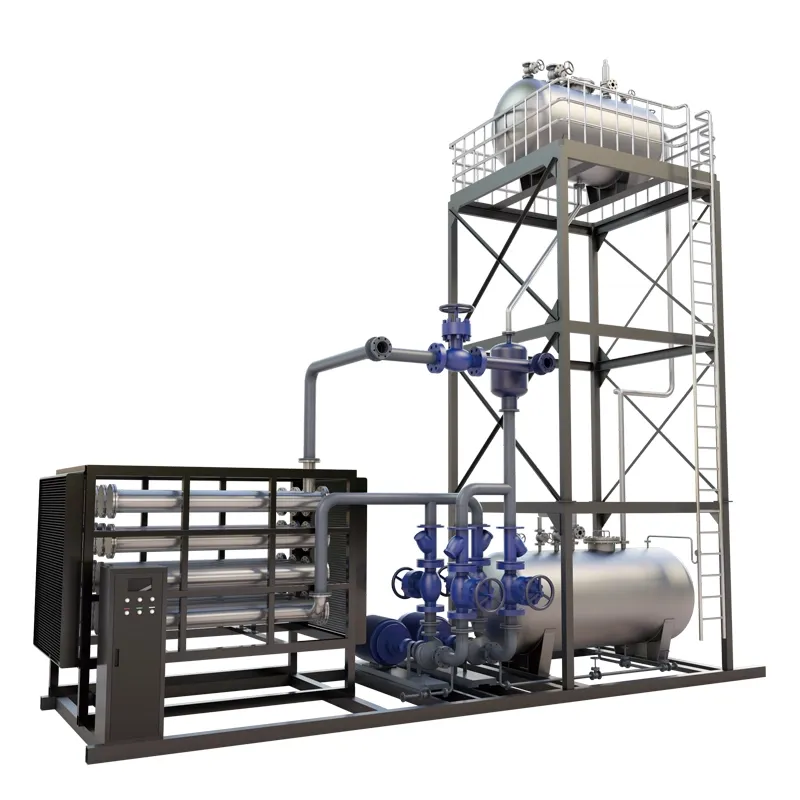
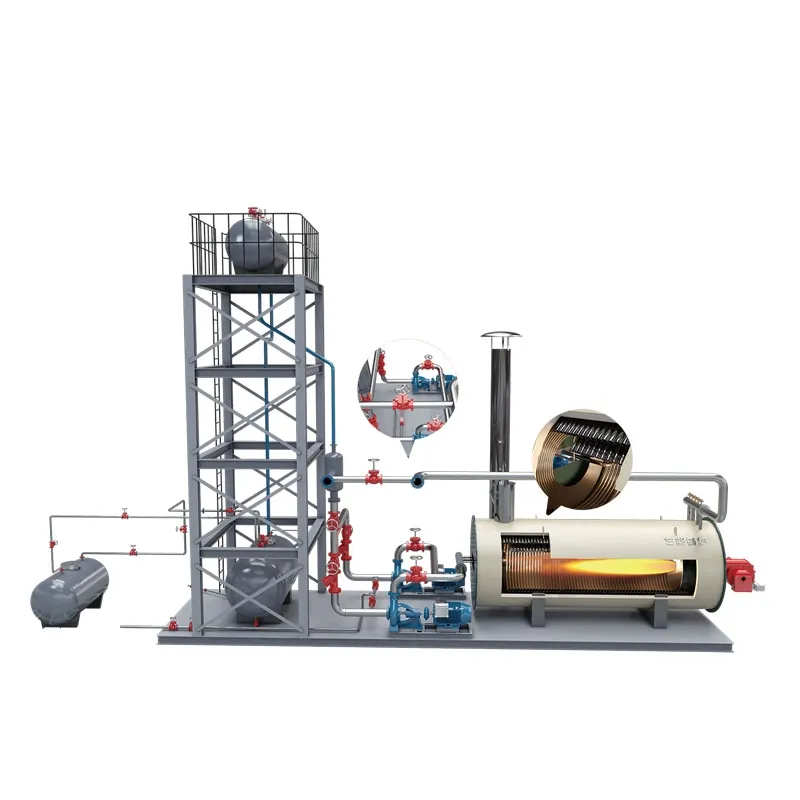
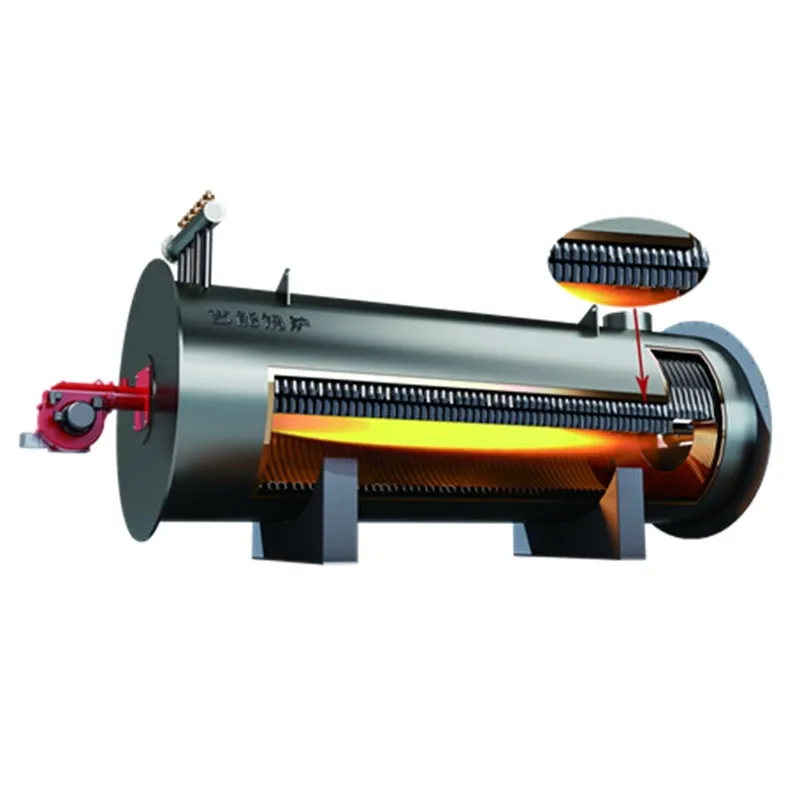
An electric thermal fluid heater uses a thermal fluid (commonly called heat transfer oil) as the medium to carry heat to the process equipment. The fluid remains in liquid form even at high temperatures.
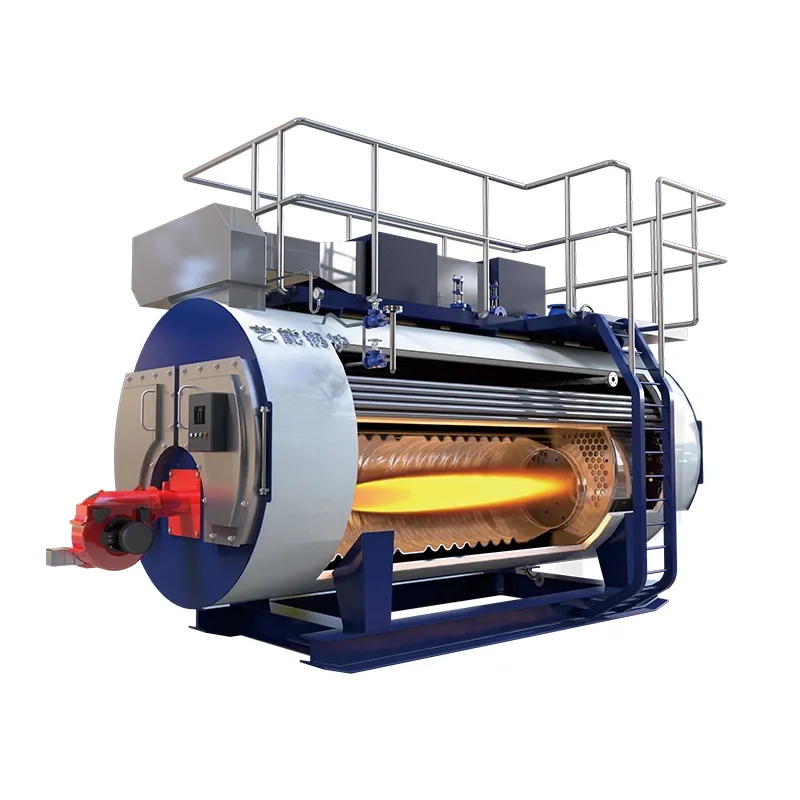
A boiler typically heats water to generate steam, which then transfers heat to processes or heating systems. Steam changes phase from liquid to vapor during heat transfer.
Operating Pressure and Temperature:
Thermal fluid heaters operate at low pressures even at high temperatures (often 300–400°C), making them safer and reducing maintenance risks.
Boilers, especially steam boilers, operate under high pressure, since water must be pressurized to reach high temperatures. High-pressure operation increases the risk of leaks or explosions.
Heating Method:
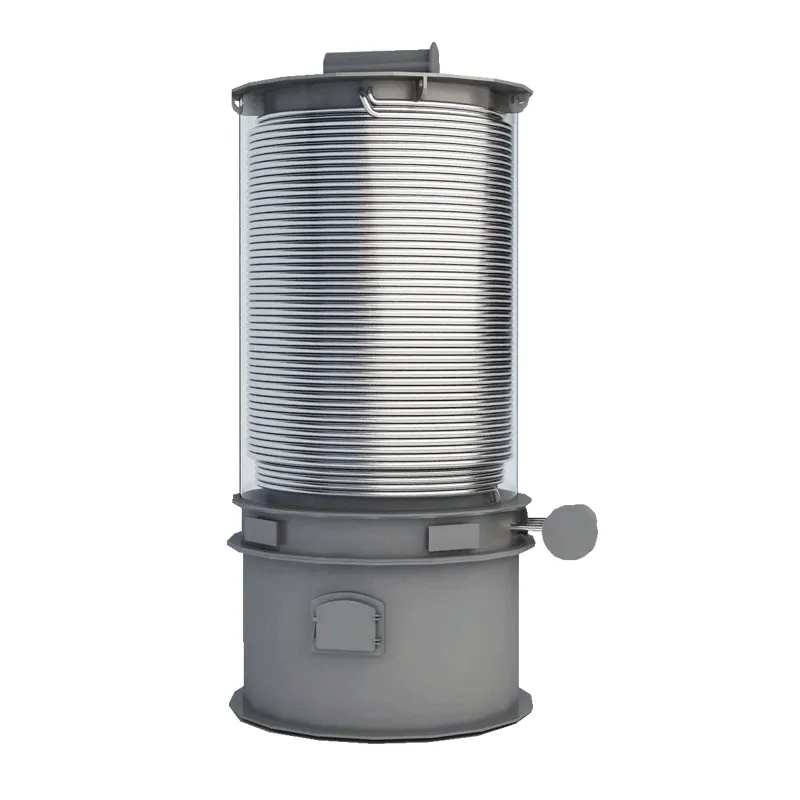
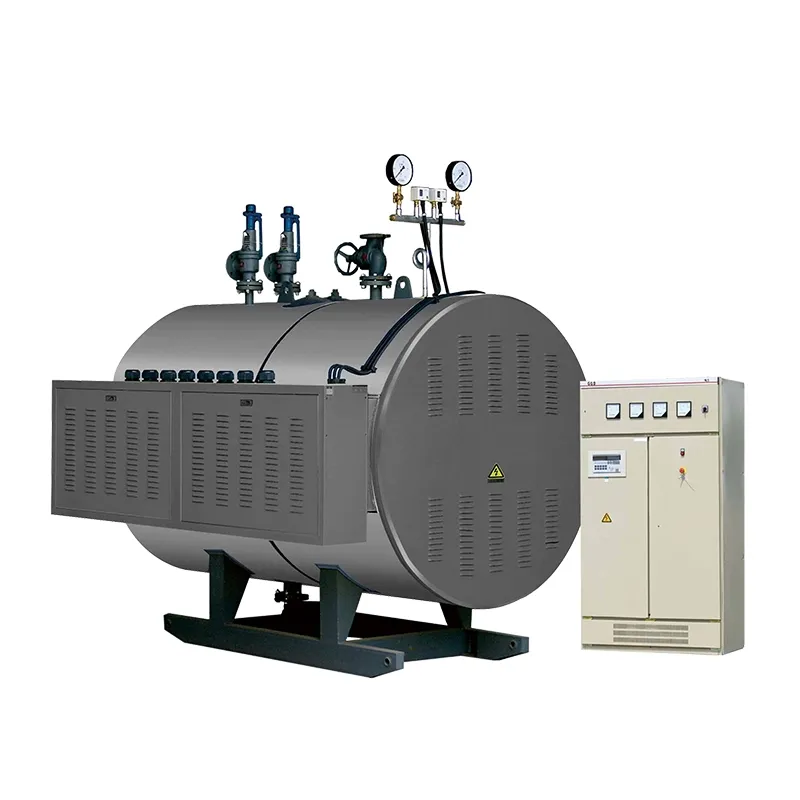
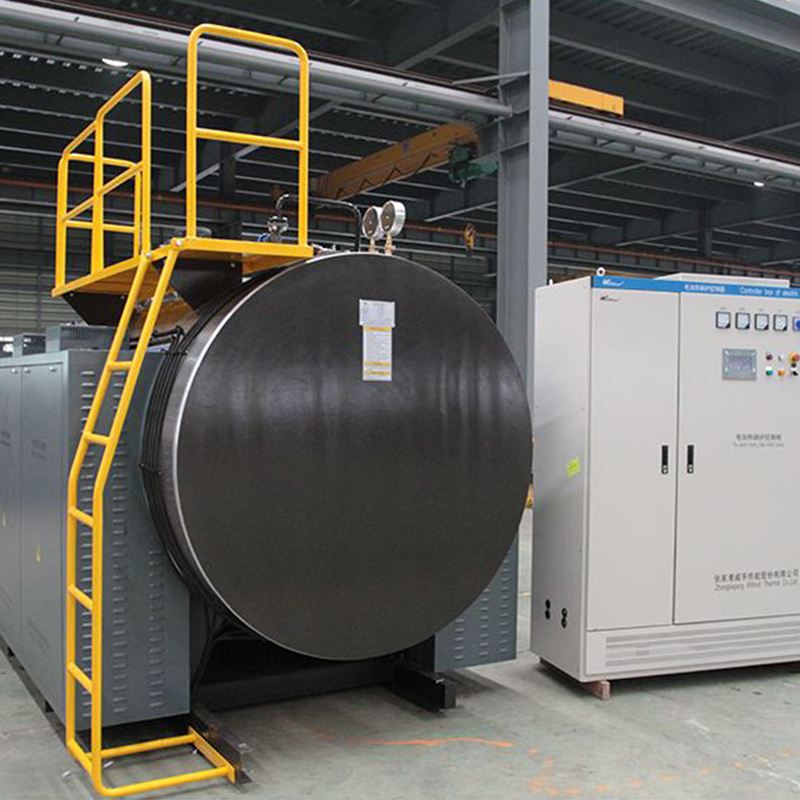
Electric thermal fluid heaters use electric resistance elements to heat the fluid directly. There is no combustion, so they are cleaner and emission-free.
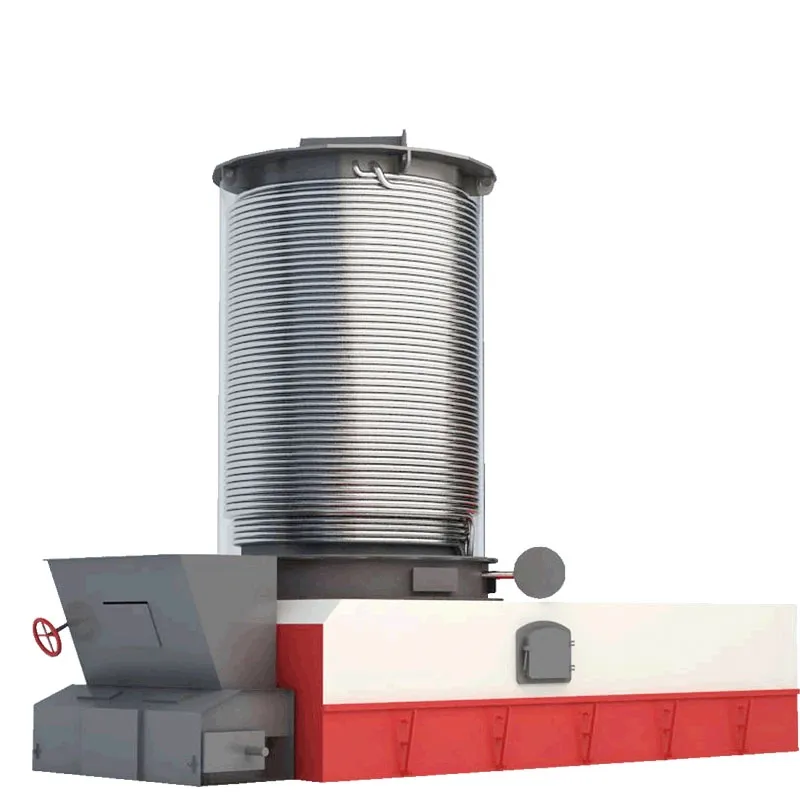
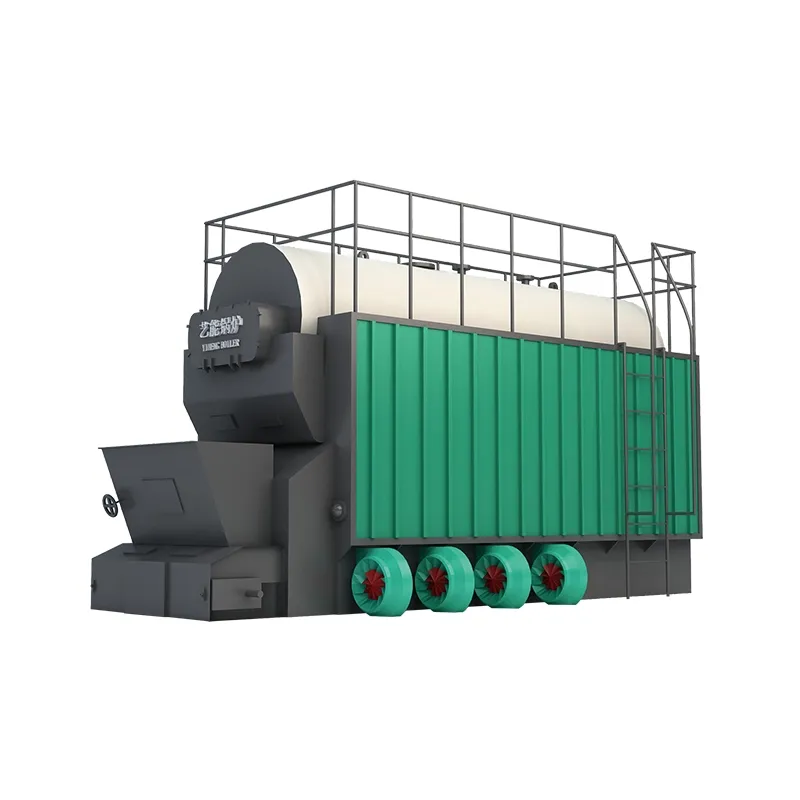
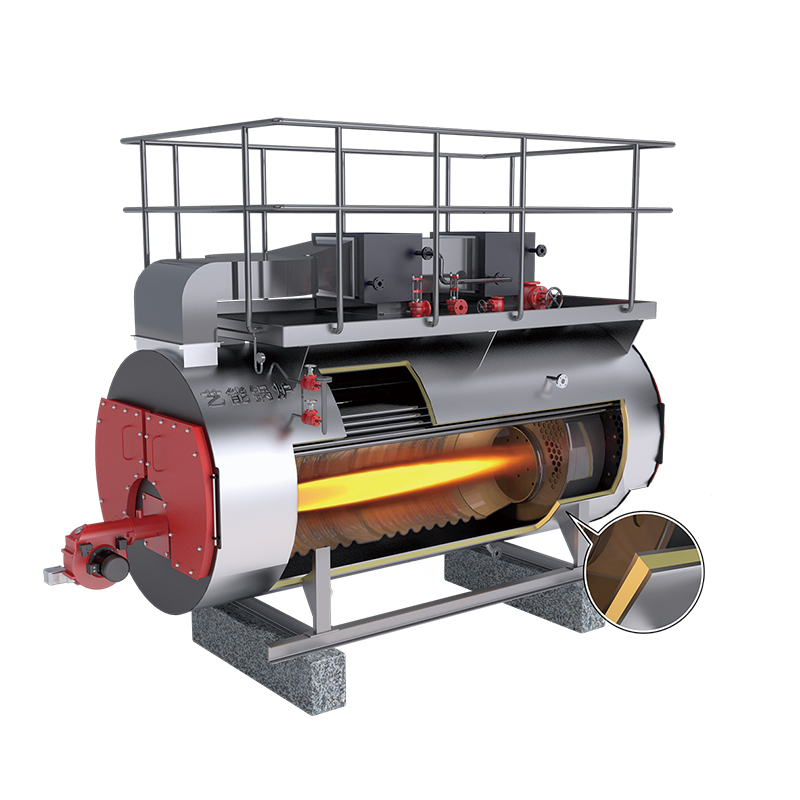
Boilers use fuel combustion (gas, oil, coal, or biomass) to generate heat, producing exhaust gases that must be vented.
Efficiency and Control:
Thermal fluid heaters provide precise temperature control and uniform heat delivery. They are ideal for processes requiring stable temperatures.
Boilers are suitable for high-capacity steam generation but generally provide less precise temperature control and involve energy loss in steam distribution.
Summary: Electric thermal fluid heaters are safer, cleaner, and provide precise low-pressure heating with thermal oils, while boilers produce high-pressure steam and are better for large-scale heat or power generation.