Procuring an industrial heating system often begins with a simple search for the industrial boiler price, but the actual cost is rarely a fixed number. In the heavy equipment sector, pricing is a dynamic variable driven by thermal capacity, fuel compatibility, and the specific engineering standards required for the application.
The disparity between a basic steam generator and a high-efficiency thermal oil heater is not just in the price tag, but in the long-term operational expenditure (OPEX). As environmental regulations tighten and fuel costs fluctuate, the industry is shifting from focusing solely on the initial purchase price toward calculating the Total Cost of Ownership (TCO).
To make an informed investment, it is essential to understand the technical levers that drive these costs—from welding certifications to heat exchange efficiency. This guide analyzes the factors influencing market pricing and how to evaluate technical specifications to ensure value for money.


The pricing of industrial boilers is primarily dictated by the raw material costs—specifically the grade of steel used for pressure vessels—and the complexity of the combustion system. For instance, boilers utilizing argon-shielded welding and undergoing rigorous X-ray inspection command a higher initial price due to the enhanced safety and longevity they provide.
Furthermore, the type of fuel system—whether it is a simple manual feed or a sophisticated PLC-controlled automatic chain grate—significantly alters the cost structure. Automation reduces labor costs but increases the initial capital expenditure.
When evaluating the technical side of pricing, capacity (KW or Kcal/h) is the most obvious variable. However, the "quality" of that capacity depends on the design. A boiler with a patented top coil and double-sided furnace tube heating can prolong the residence time of high-temperature flue gas, which directly improves the life of the unit and reduces the frequency of expensive replacements.
Material certifications also play a critical role. Equipment manufactured under Class A boiler licenses and ISO9001 quality management systems ensures that the pressure vessel can withstand designated Mpa loads safely. This regulatory compliance is a non-negotiable cost factor for industrial insurance and safety audits.
Finally, the integration of auxiliary systems, such as mechanical forced combustion and specialized furnace arches, ensures full combustion. While these additions increase the quote, they prevent fuel waste and reduce the carbon footprint, effectively paying for themselves through reduced monthly utility bills.
Choosing between a steam boiler and a thermal oil heater involves different cost-benefit analyses. Steam boilers are essential for sterilization and high-pressure processing, while thermal oil heaters are preferred for high-temperature applications (up to 320°C) at lower pressures, reducing the risk of explosions and the need for expensive high-pressure piping.
The primary value driver in thermal oil systems is the efficiency of the circulating oil volume and the precision of the temperature control, which prevents oil degradation and maintains heat transfer rates.
Hebei Yineng Boiler Co., Ltd. addresses these differing needs by offering a range of fuel options, including biomass and coal-fired versions, ensuring that the client can align their heating technology with the most cost-effective fuel source available in their region.
Efficiency is the most critical metric for calculating the real-world industrial boiler price. A boiler with 76% efficiency will cost significantly more to run over five years than one with 81% efficiency, regardless of the initial purchase price.
The following index illustrates the relative value gain based on efficiency improvements. As the efficiency percentage increases, the operational cost decreases, creating a higher "Value Index" for the equipment over its lifecycle.
The final installation price often involves factors beyond the boiler itself. For example, a skid-mounted thermal oil heater is designed for rapid deployment and easier relocation, which reduces site preparation costs. In contrast, a large-scale biomass-fired steam boiler requires significant infrastructure for fuel storage and ash removal.
A typical industrial setting must also consider the connecting pipe diameters (e.g., DN150 to DN350) and the total boiler weight, which can range from 17,000kg to over 110,000kg. These physical dimensions dictate the requirement for reinforced foundations, which can add a hidden but substantial cost to the total project budget.
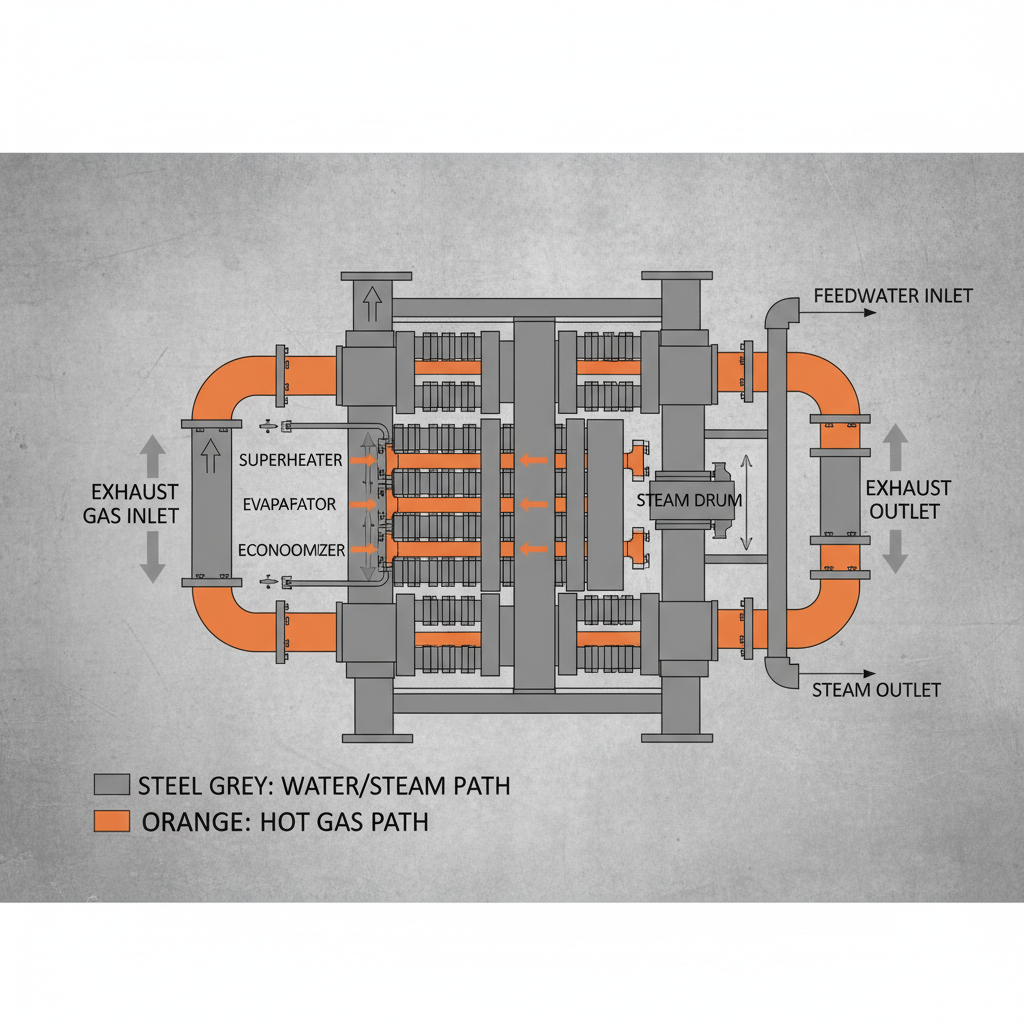
The industry is moving rapidly toward Waste Heat Recovery Boilers (WHRB) and Exhaust Gas Boilers (EGB). These systems allow manufacturers to capture thermal energy that would otherwise be lost, effectively reducing the net fuel cost of the entire plant. This transition is turning the boiler from a cost center into a resource recovery tool.
Similarly, the adoption of electric heating steam boilers is increasing in regions where electricity is cheaper than fossil fuels or where zero-emission mandates are in place. These units eliminate the need for chimneys and fuel storage, though they require a robust electrical infrastructure.
Molten salt boilers represent the high-end of this trend, facilitating concentrated solar power and other advanced energy storage applications. While the entry price is higher, the alignment with green energy grids provides long-term strategic security.
When comparing different options, buyers should use a weighted matrix rather than looking at the lowest quote. The trade-off between a chain grate system (automatic slag removal) and a fixed grate system (simpler, cheaper) should be decided based on the volume of fuel processed and the available labor.
Reliability is another key factor. Boilers that utilize argon-shielded welding and pass X-ray inspections have a lower probability of weld failure, which is critical because unplanned downtime in a manufacturing plant can cost thousands of dollars per hour.
The following table provides a relative suitability guide for different heating technologies based on common industrial requirements.
| Technology | Primary Fuel | Max Temp/Pressure | Suitability |
|---|---|---|---|
| Biomass Thermal Oil | Wood Pellets/Waste | 320°C / 1.1 Mpa | Eco-conscious heating |
| Electric Steam | Electricity | Variable | Low-emission/Urban sites |
| Gas/Diesel Steam | Natural Gas/Oil | High Pressure | Rapid response/Precision |
| Waste Heat Recovery | Flue Gas | Variable | Energy cost reduction |
| Coal-Fired Steam | Coal/Biomass | High Capacity | Heavy industrial baseload |
| Molten Salt Boiler | Thermal Salt | Very High Temp | CSP/Specialized Chemical |
The primary factor is a combination of thermal capacity (KW/Kcal) and the quality of materials and construction. Higher-grade steels, argon-shielded welding, and X-ray verified seams increase the initial cost but significantly extend the boiler's lifespan and safety margins. Additionally, the level of automation, such as PLC controls versus manual feeding, creates a substantial price variance.
Biomass fuels often require specialized combustion systems like chain grates for automatic slag removal and coal removal. Because biomass has varying moisture and caloric values, the boiler must be designed with flexible combustion controls to ensure full combustion and maintain efficiency, which may influence the initial equipment price compared to gas-fired units.
Thermal oil boilers are ideal for processes requiring high temperatures (up to 320°C) without the risks and costs associated with high-pressure steam. They operate at lower pressures, reducing the need for expensive high-pressure rated piping and reducing the risk of explosions, making them a safer and often more cost-effective choice for specific industrial heating applications.
Fixed grates are simpler and cheaper to install but require more manual labor for cleaning and fuel feeding. Chain grates provide automatic removal of ash and slag, reducing operational downtime and labor costs. While the chain grate increases the purchase price, the reduction in manual maintenance usually results in a lower total cost of ownership over time.
Waste Heat Recovery Boilers (WHRB) capture heat from exhaust gases or other process streams that would otherwise be released into the atmosphere. By converting this "waste" into usable steam or hot water, a plant can reduce its primary fuel consumption, thereby lowering monthly energy bills and improving the overall energy efficiency of the facility.
Look for a Class A boiler manufacturing license, A2 pressure vessel design and manufacturing licenses, and ISO9001 quality management certification. These ensure the manufacturer follows strict safety and quality protocols. Additionally, verify that the units have passed factory energy efficiency testing and water pressure tests to ensure they meet the advertised specifications.
The true industrial boiler price is not found in a quote, but in the balance between initial capital expenditure and long-term operational efficiency. Investing in superior construction—such as argon-shielded welding and patented heating coils—may increase the upfront cost, but it drastically reduces the risk of downtime and energy waste.
Whether transitioning to biomass for sustainability or implementing waste heat recovery for cost reduction, the goal should always be the optimization of the total thermal cycle. By focusing on efficiency, certification, and specific application needs, industrial buyers can secure a system that provides reliable heat while minimizing the long-term financial burden.