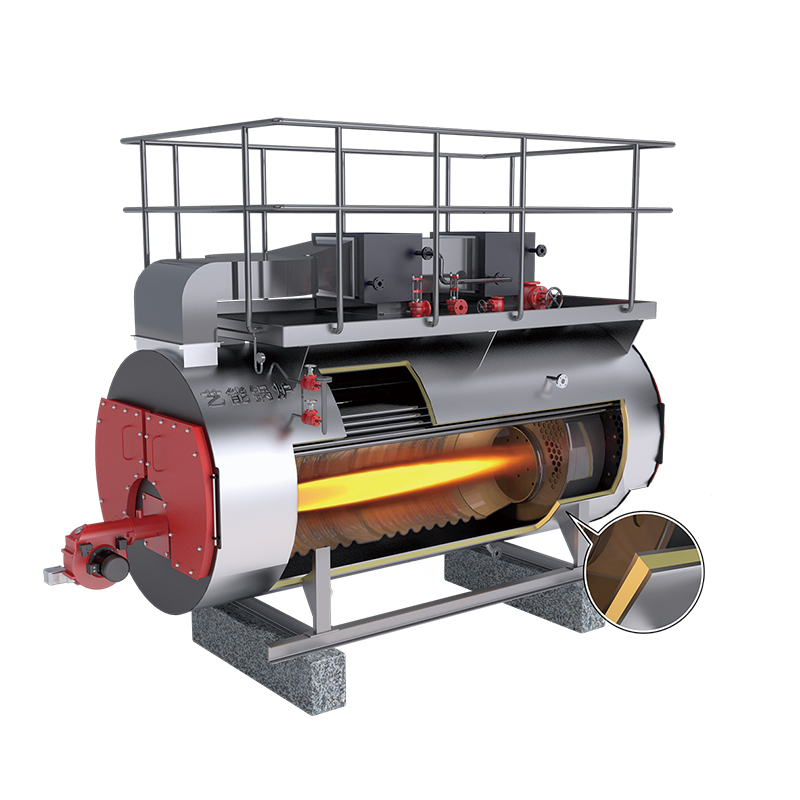
Hot Water Boiler Design
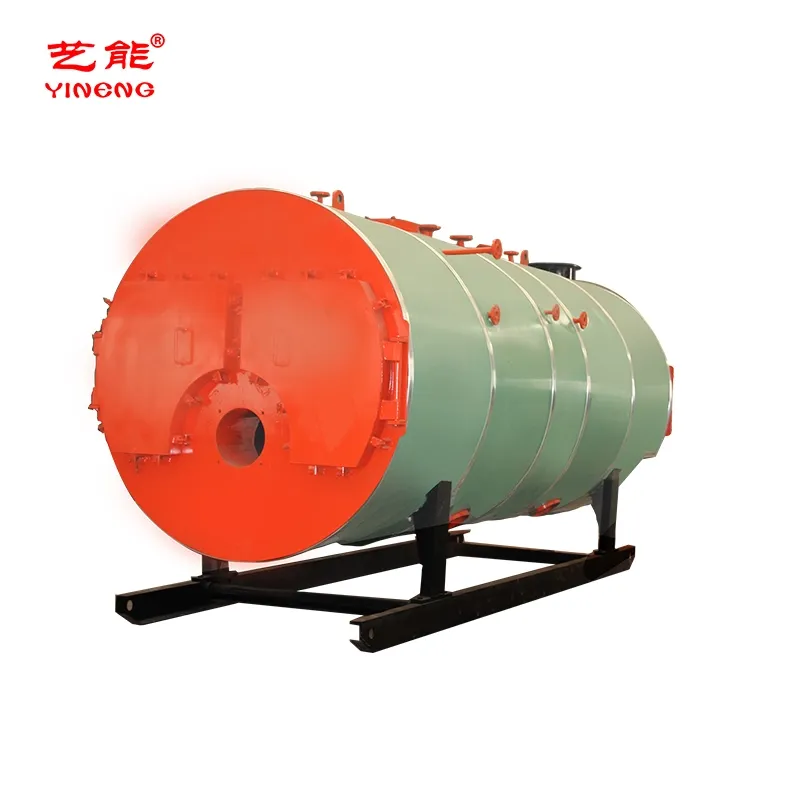
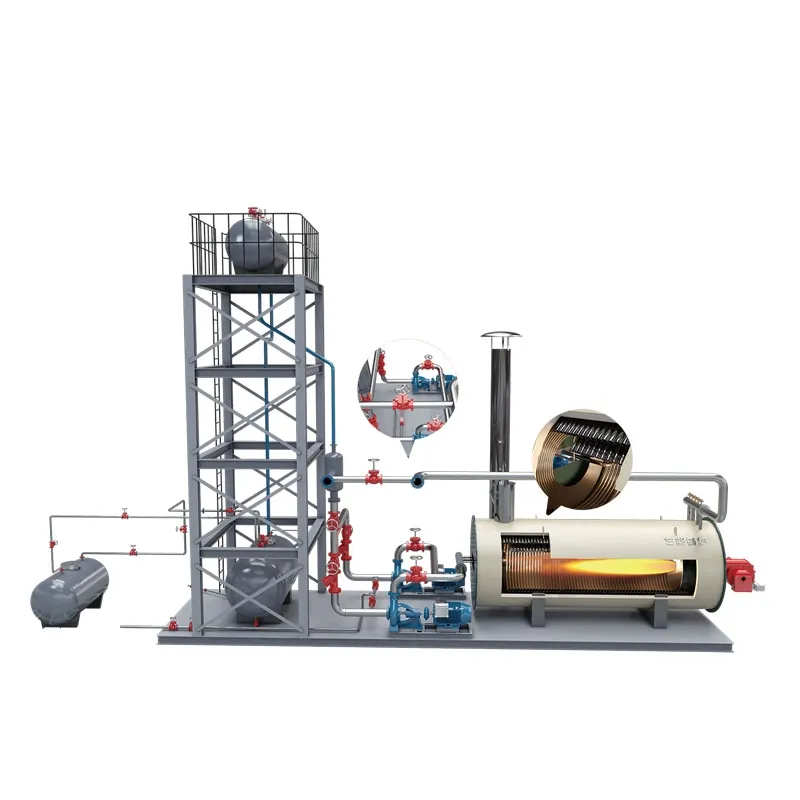
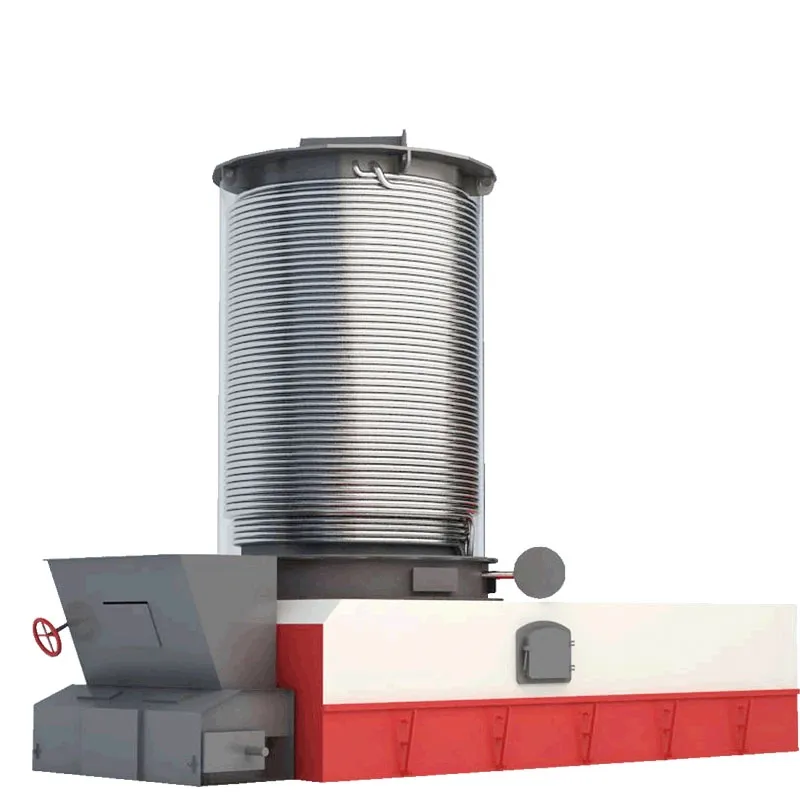
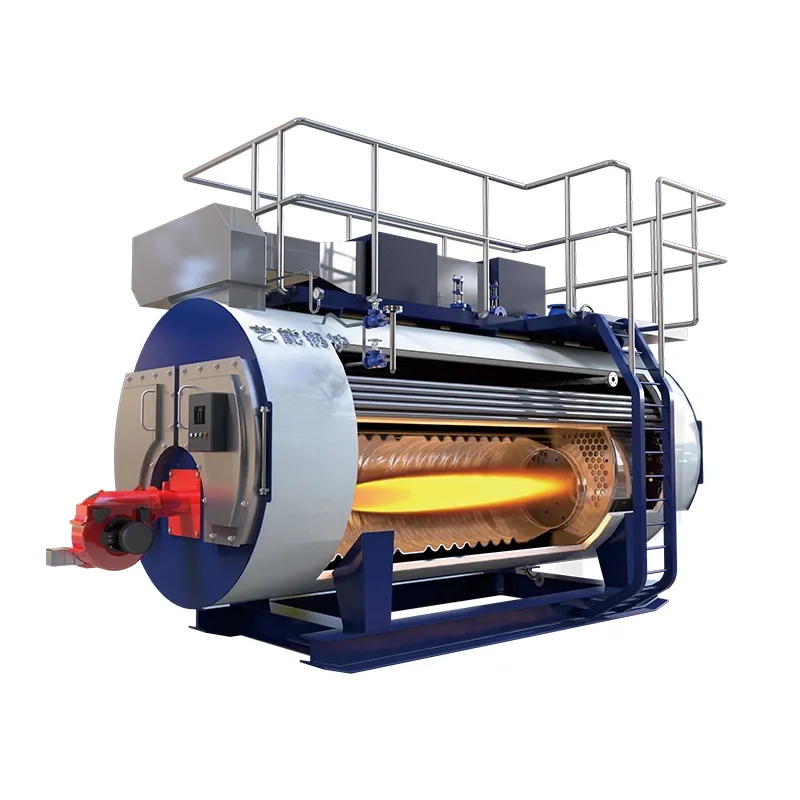
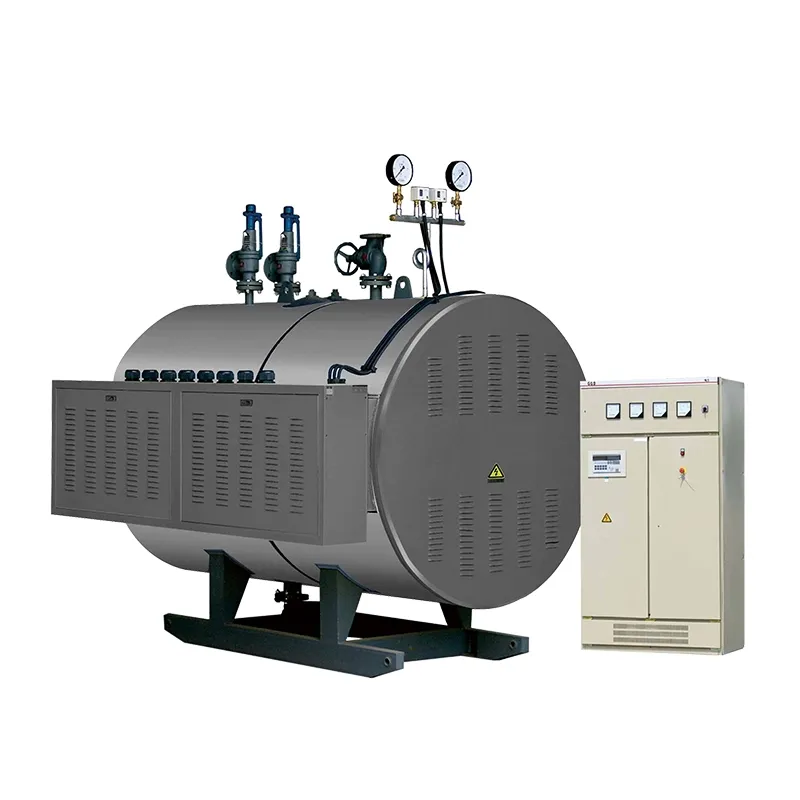
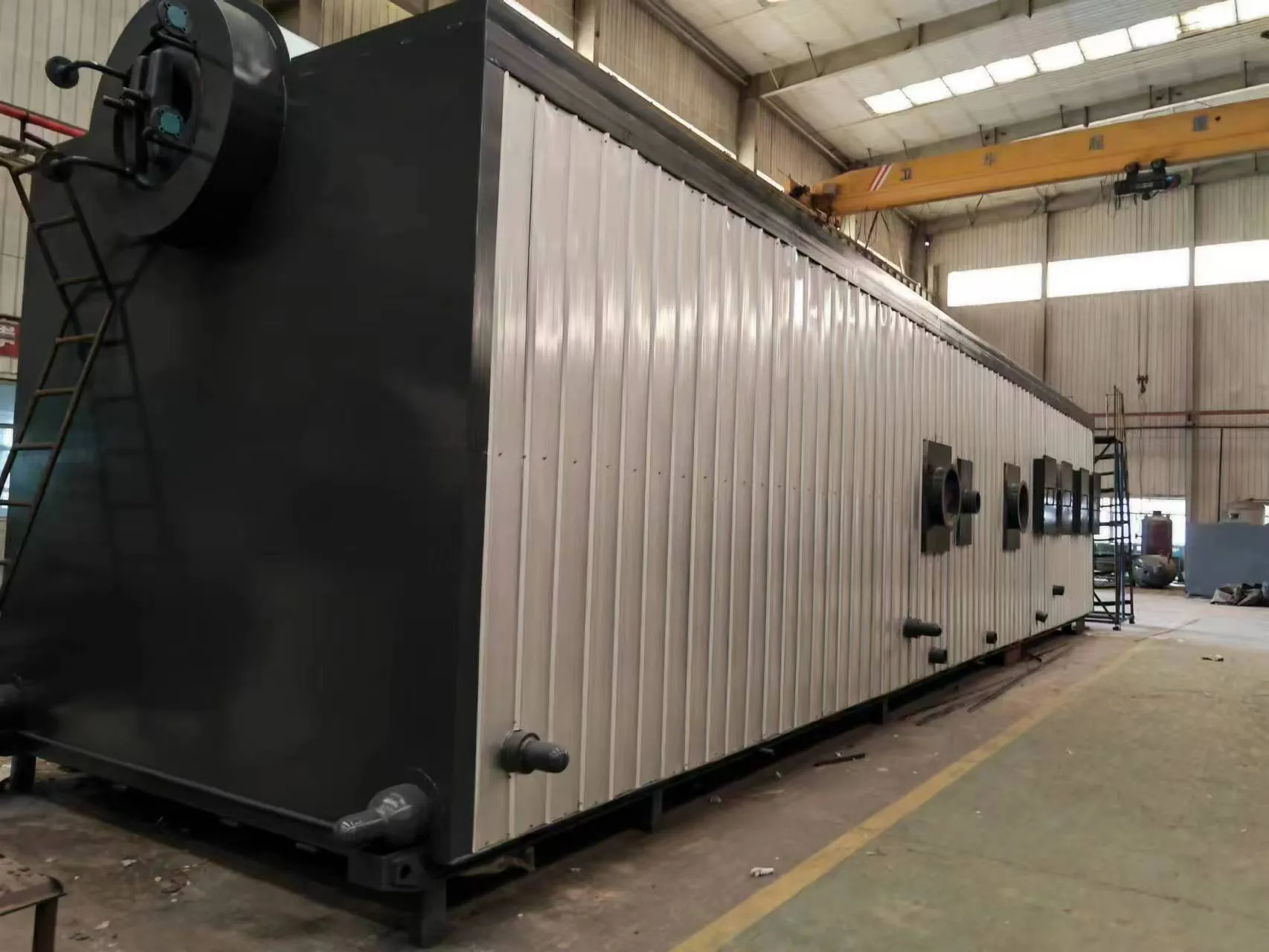
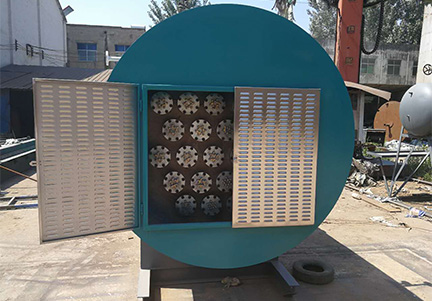
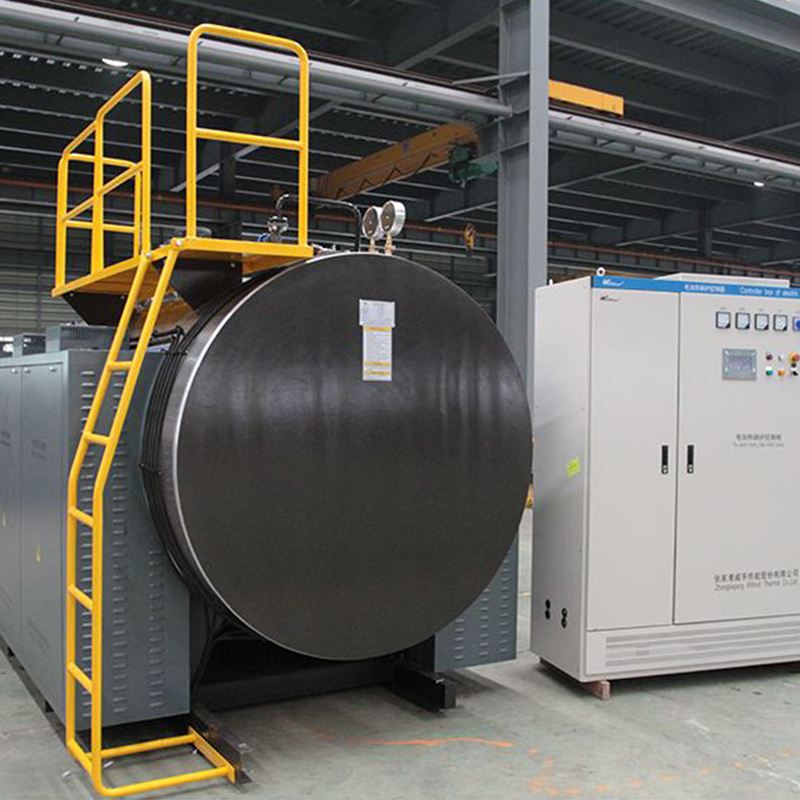
Hot water boiler design focuses on the efficient and safe generation, storage, and circulation of heated water for residential, commercial, or industrial applications. The design typically includes key components such as a combustion chamber or heating element, a heat exchanger, a water circulation system, and control and safety devices. Fuel sources may include natural gas, oil, electricity, or renewable energy, depending on the application and environmental considerations.
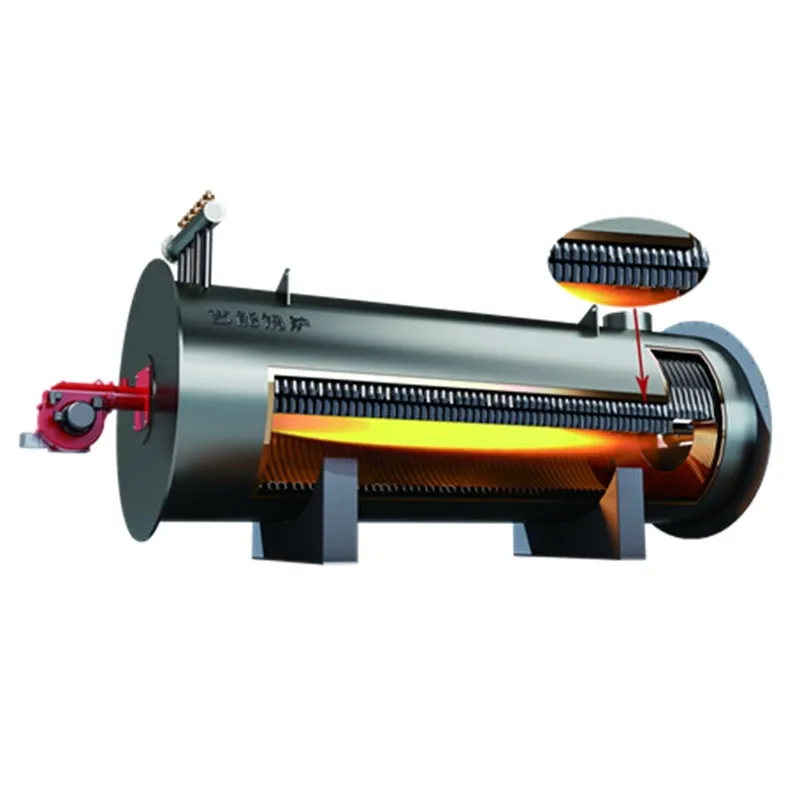
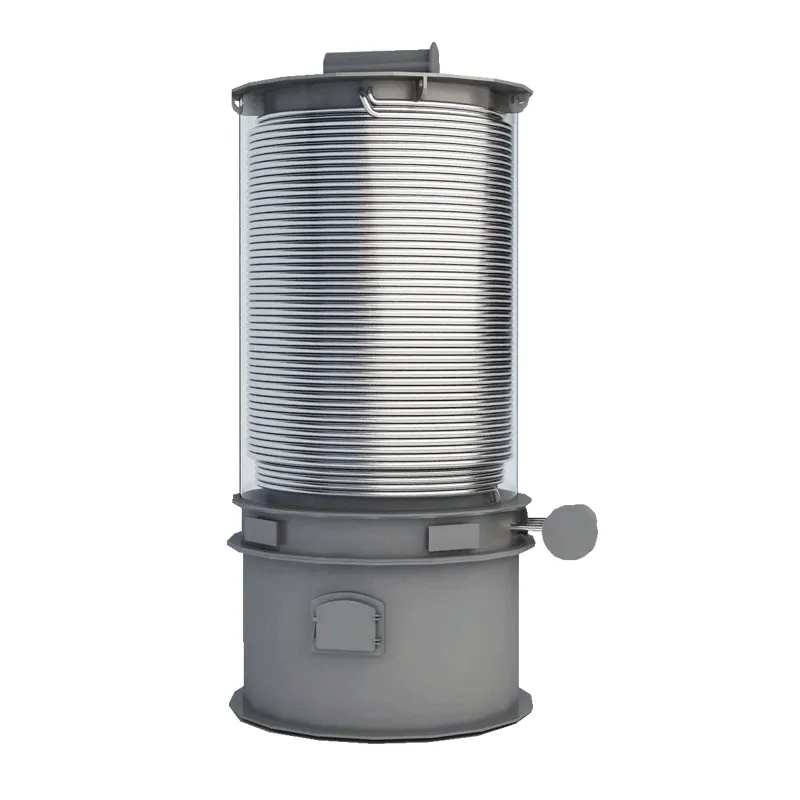
At the core of the system is the heat exchanger, where heat from combustion gases or electric elements is transferred to the water. The design ensures maximum heat transfer efficiency while minimizing energy loss. Insulation materials are used around the boiler shell to retain heat and improve overall efficiency. Proper sizing of the boiler is critical, as it must meet the heating demand without excessive energy consumption or frequent cycling.
The circulation system, which includes pumps and piping, is designed to distribute hot water evenly to radiators, underfloor heating systems, or industrial equipment. Modern designs often incorporate variable-speed pumps and advanced control systems to regulate temperature and flow based on real-time demand. Safety features such as pressure relief valves, expansion tanks, and temperature sensors are essential to prevent overpressure and overheating.
Additionally, environmental considerations play an important role in hot water boiler design. Engineers aim to reduce emissions and improve energy efficiency by using condensing technology and optimizing combustion processes. Overall, a well-designed hot water boiler system ensures reliable performance, energy efficiency, and safe operation over its service life.