
มี.ค. . 13, 2026 17:21
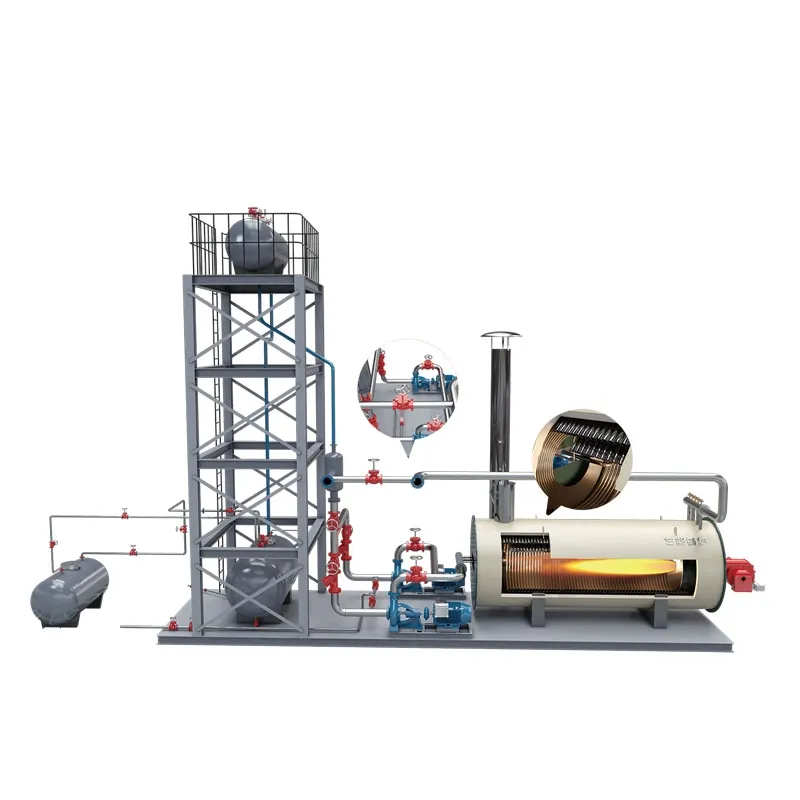
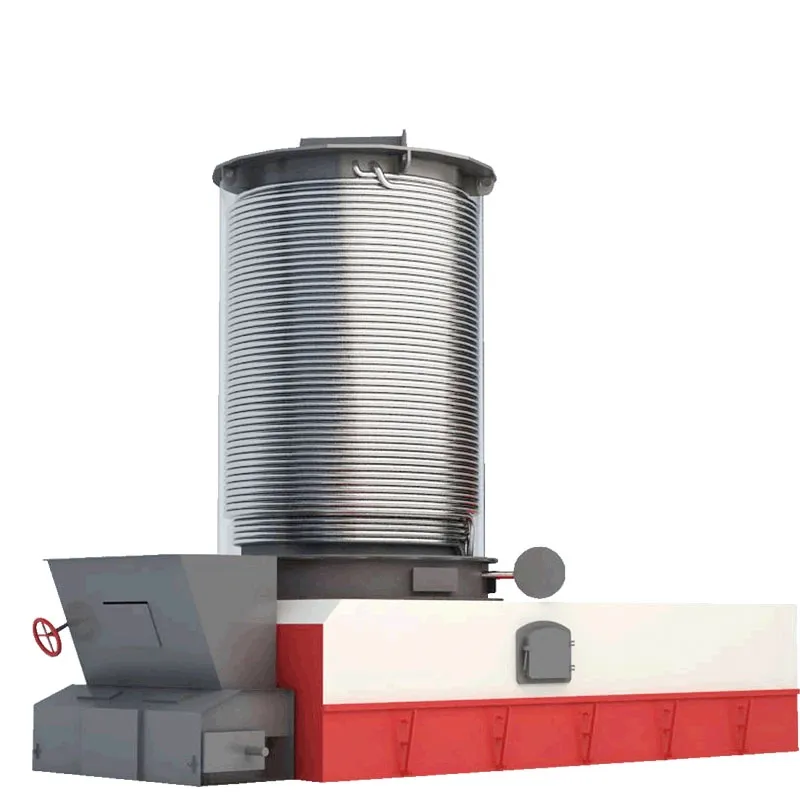
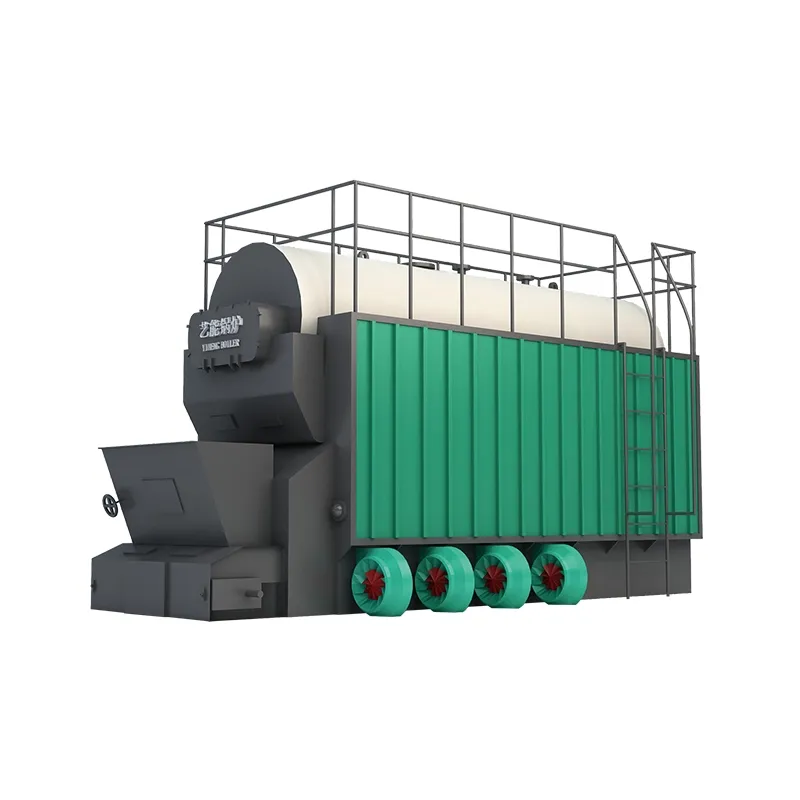
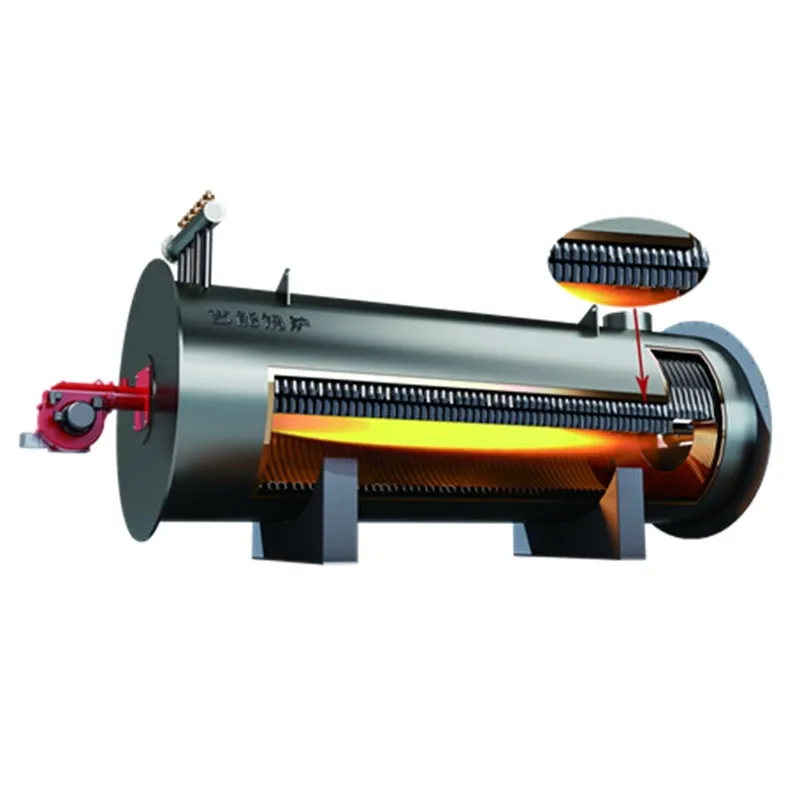
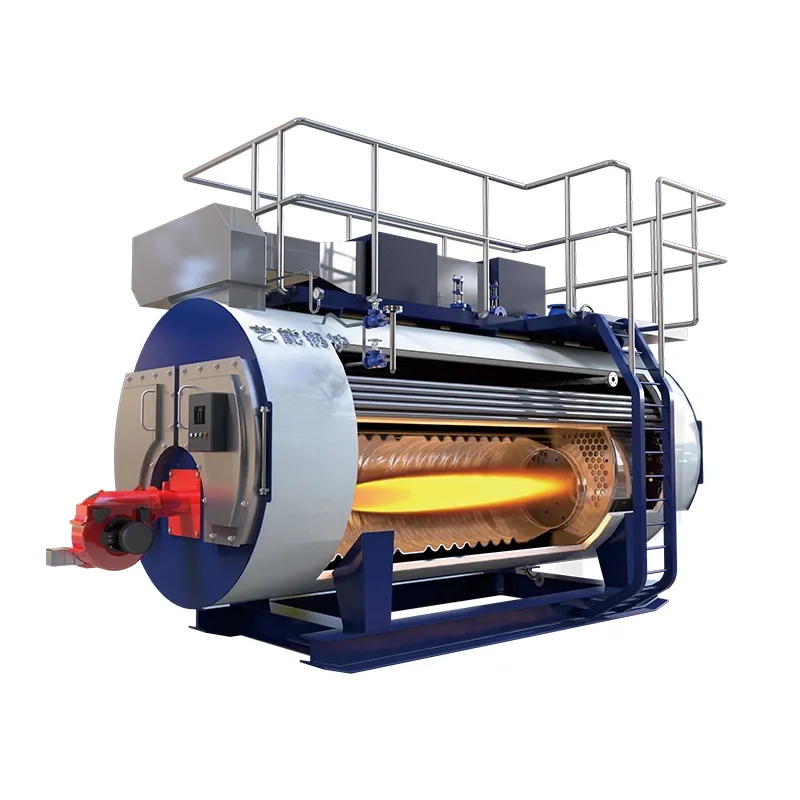
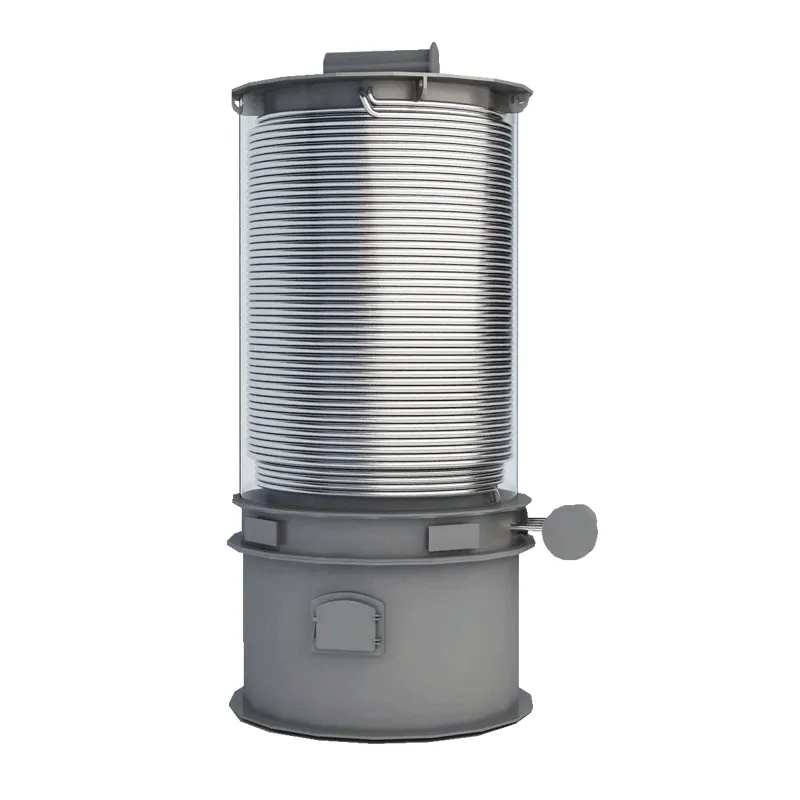
A waste heat recovery boiler (WHRB) operates on the principle of capturing energy from hot exhaust gases or flue gases produced by industrial processes and converting it into useful steam or hot water. Instead of releasing these high-temperature gases into the atmosphere, the WHRB channels them through a heat exchanger system, typically consisting of a series of tubes or coils containing water. As the gases flow over the tubes, heat is transferred to the water, raising its temperature and generating steam or hot water for use in other processes.
The operation of a WHRB is continuous and depends on the flow and temperature of the exhaust gases. The cooled gases exit the system through a stack, reducing thermal pollution and improving overall energy efficiency. The steam or hot water produced can be used to drive turbines for power generation, supply process heating, or provide district heating, reducing the need for additional fuel consumption.
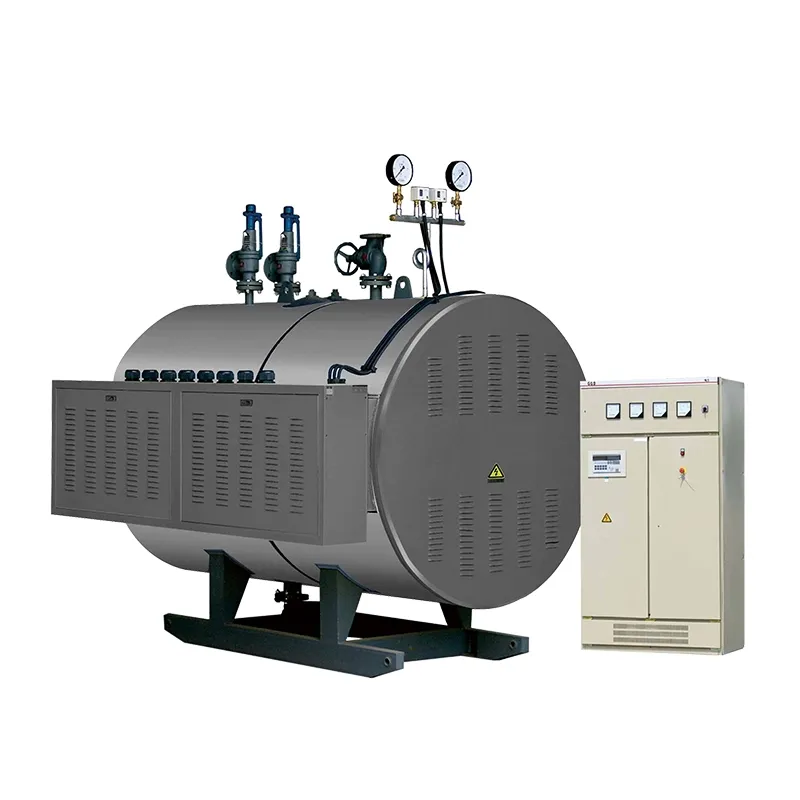
Control and safety are crucial in WHRB operation. Water levels, pressure, and temperature are constantly monitored, while devices such as pressure relief valves prevent accidents. Overall, WHRBs enhance energy recovery, lower operating costs, and contribute to environmental sustainability by utilizing energy that would otherwise be wasted.