How Does An Electric Heating Steam Boiler Work?
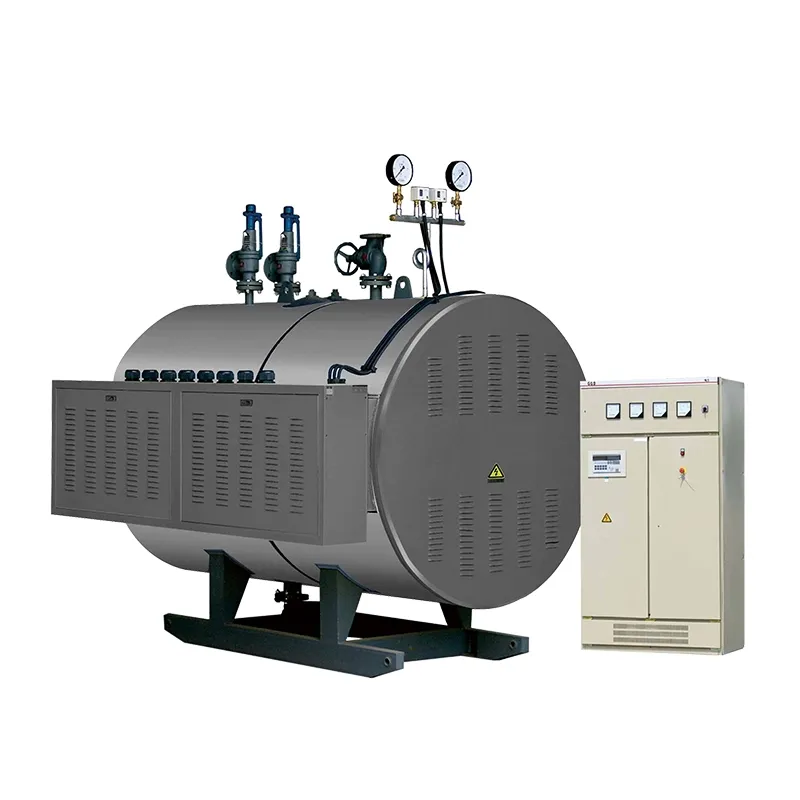
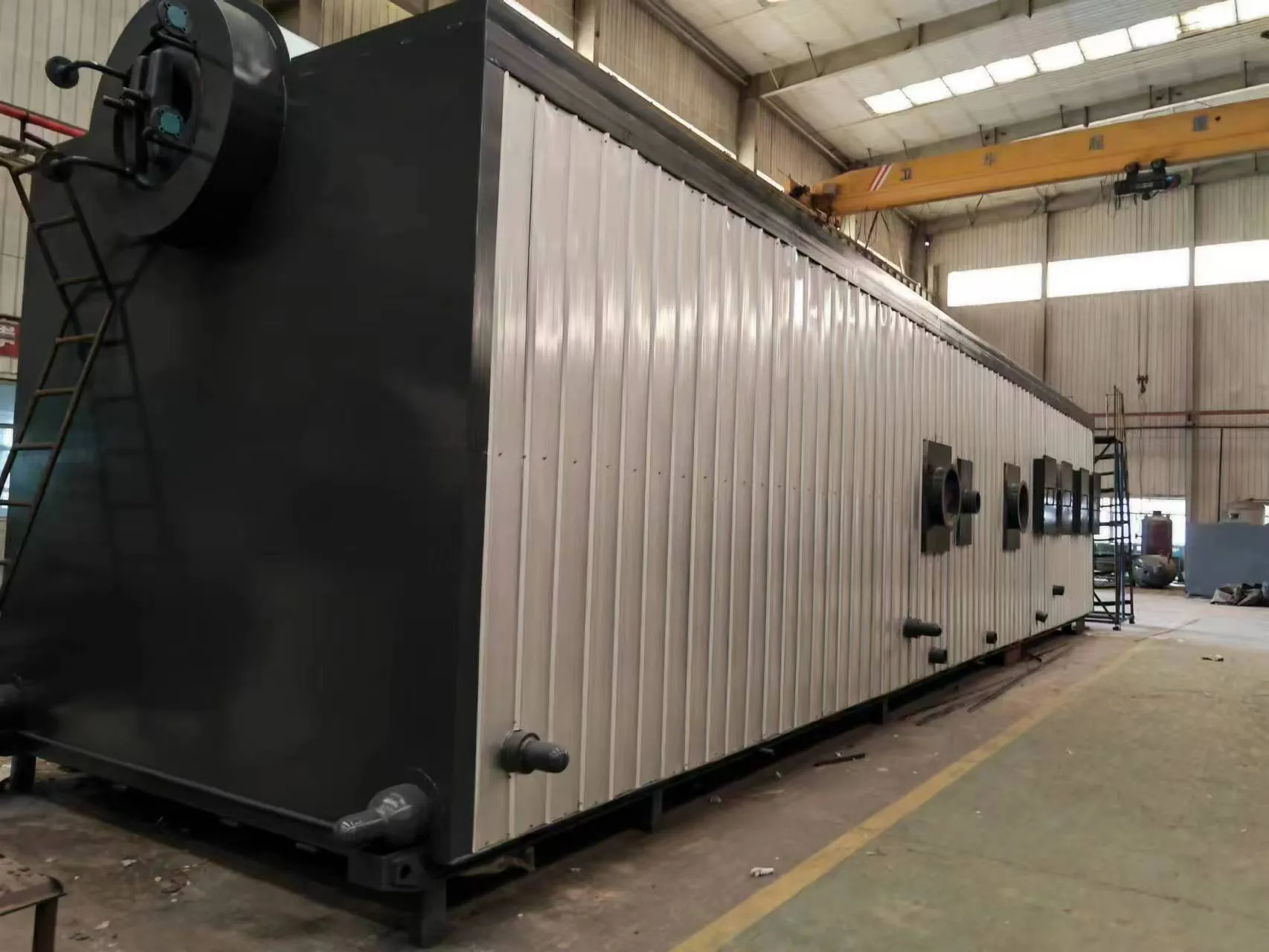
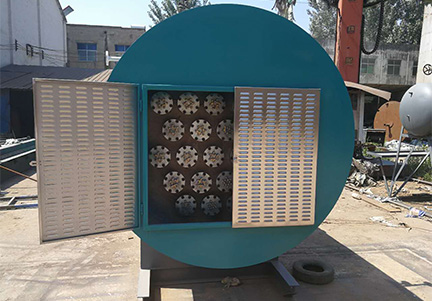
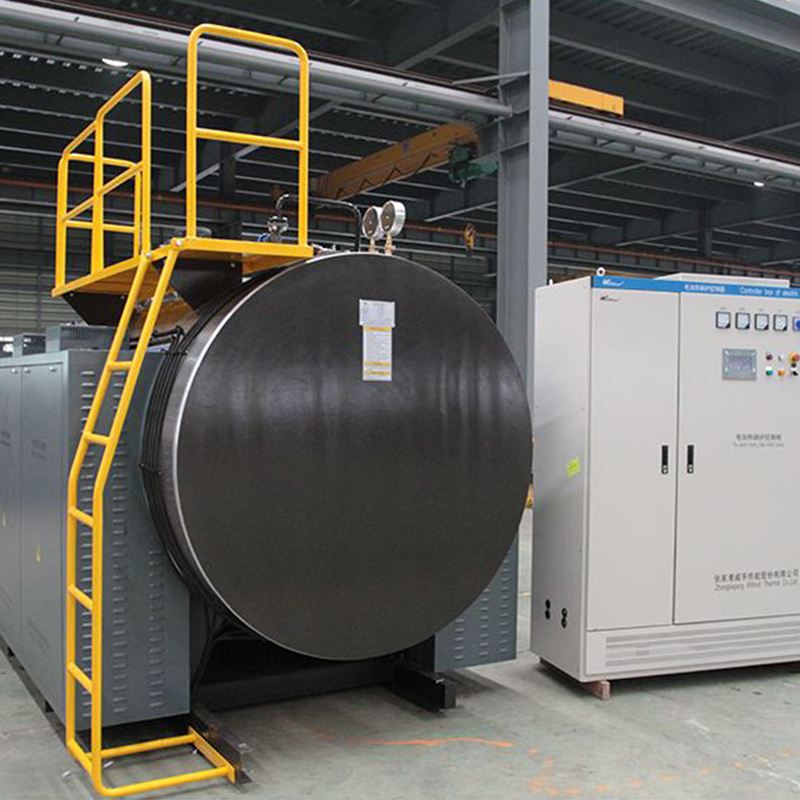
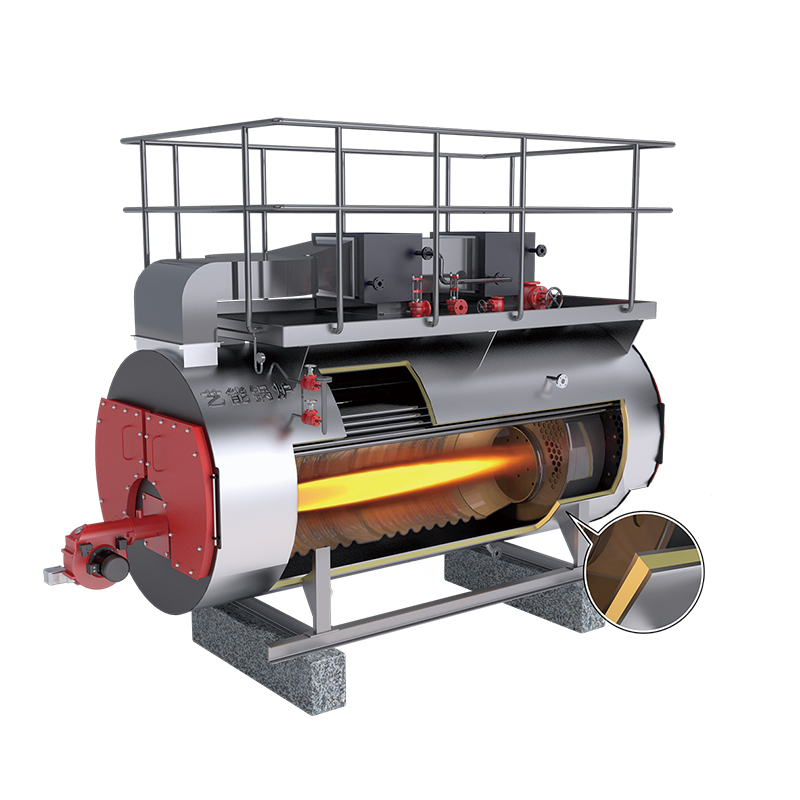
An electric heating steam boiler works by converting electrical energy directly into heat to generate steam, offering a clean and efficient alternative to fuel-fired boilers. The system consists of an insulated pressure vessel filled with water and equipped with electrical heating elements, usually made of stainless steel or other corrosion-resistant materials, immersed in the water. When electricity flows through these elements, they resist the current, producing heat that is transferred to the surrounding water. As the water temperature rises, it begins to boil, forming steam that accumulates in the boiler’s upper section under pressure. Modern electric boilers are equipped with automated controls to regulate water level, temperature, and steam pressure, ensuring precise and stable operation while preventing dry firing or overpressure hazards. Safety devices, such as pressure relief valves, low-water cutoffs, and temperature sensors, are integral to protect the system and operators. The generated steam can then be used for industrial processes, heating systems, or sterilization, providing uniform heat without combustion, smoke, or emissions. Electric heating steam boilers are particularly suitable for applications requiring clean energy, high efficiency, low maintenance, and quiet operation.