Selecting the right steam boiler for garment factory operations is more than a simple equipment purchase; it is a strategic decision that impacts fabric quality, energy overheads, and production throughput. In the garment industry, consistent dry steam is essential for ironing, pressing, and fabric relaxing, where any fluctuation in pressure can lead to defective garments.
Modern textile manufacturing demands a balance between high-capacity steam generation and strict environmental compliance. Whether dealing with high-volume industrial sewing or boutique tailoring, the thermal energy system must be responsive to peak loads while remaining efficient during idle periods to avoid wasteful fuel consumption.
This guide examines the technical requirements for garment-grade steam systems, evaluating different fuel options and design architectures to help facility managers optimize their thermal infrastructure for long-term operational stability.

Understanding Steam Requirements in Textile Processing

The garment industry relies on steam not just for heat, but as a medium for precision moisture control. From the initial relaxing of raw fabrics to the final steam pressing of a finished suit, the quality of the steam—specifically its dryness and temperature stability—determines the final appearance of the product.
In many garment factories, the primary challenge is the "peak and valley" demand cycle. During high-production shifts, dozens of irons and pressing machines pull steam simultaneously, requiring a boiler that can ramp up quickly without losing pressure. Conversely, during shift changes, the system must modulate to prevent energy waste.
Failure to match the boiler capacity to these specific load profiles often results in "wet steam," which causes water spotting on delicate fabrics—a critical quality failure that can lead to entire batches of clothing being rejected.
Critical Technical Features of Garment-Grade Boilers
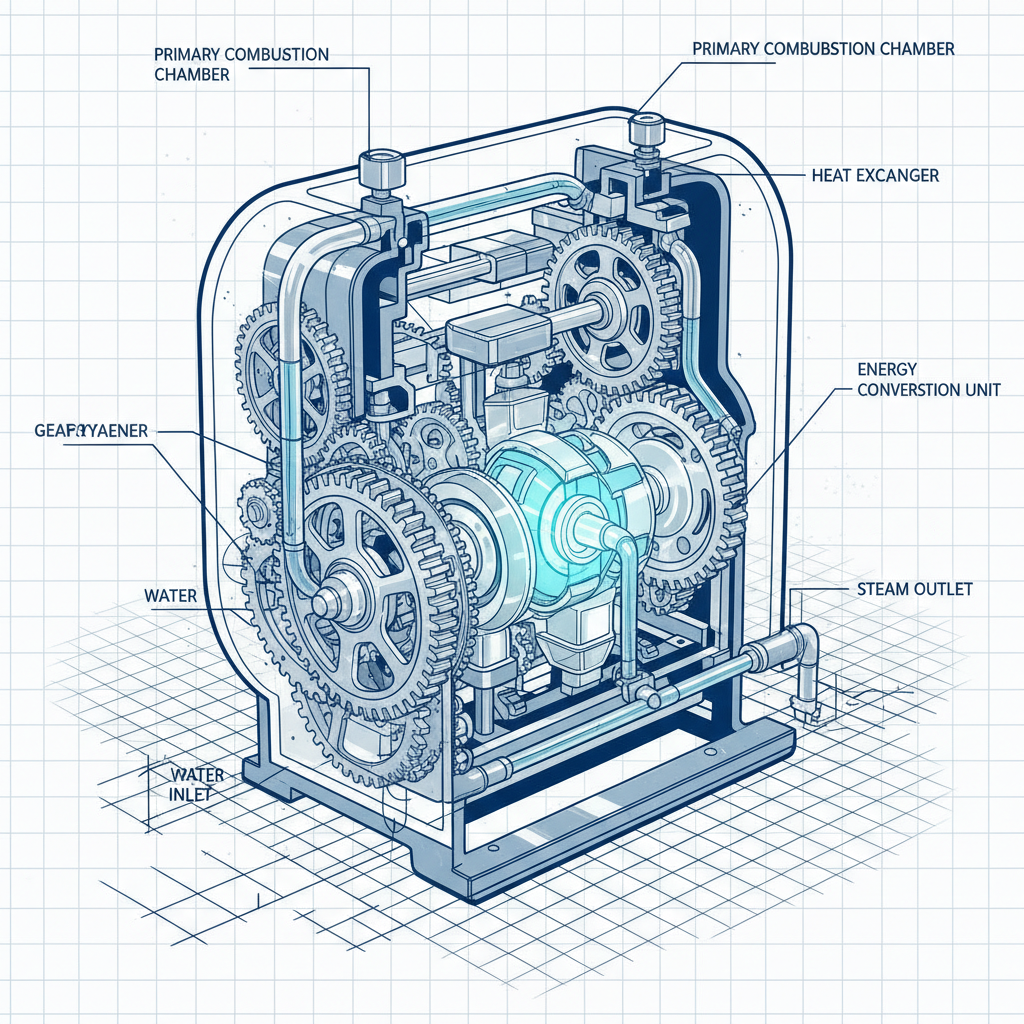
High-performance boilers, such as the SZS series, utilize double-drum water-tube architectures to ensure reliable cooling of heating surfaces and prevent gasification in high-temperature zones. This forced circulation design is vital for maintaining the structural integrity of the boiler under the continuous cycling typical of apparel production.
Safety and environmental impact are equally critical. The integration of explosion-proof doors, flame detectors, and full-membrane water-cooled walls reduces operational risk while ensuring the combustion chamber remains airtight. Micro-positive pressure combustion further ensures that the operating environment remains pollution-free, which is essential for factories located near urban centers.
Thermal retention is another key factor; using high-quality aluminum silicate fiber and refractory cement keeps the furnace body temperature below 45°C. This drastic reduction in heat loss directly translates to lower fuel consumption and a smaller carbon footprint for the facility.
Application Scenarios from Ironing to Fabric Finishing
The application of steam in a garment factory is diverse, spanning multiple departments. In the finishing area, steam is used in vacuum ironing tables and form finishers to remove wrinkles and set the shape of the garment. This requires a steady flow of saturated steam to penetrate the fabric fibers without scorching them.
In the fabric preparation stage, steam is employed for humidification and relaxing, allowing the material to reach its natural state before cutting. This process requires large volumes of low-pressure steam, often provided by biomass or gas-fired systems depending on the local fuel availability and cost structures.
Furthermore, specialized laundry and dyeing sections within integrated garment hubs may use steam for heating water baths or maintaining temperature in drying tunnels. The versatility of the boiler system allows it to support these varying pressure requirements through the use of pressure-reducing valves and heat exchangers.
Analyzing Thermal Efficiency and Steam Quality
Evaluating the performance of a steam system involves analyzing the ratio of fuel energy input to actual steam output. Standard boilers often struggle with heat loss through the furnace walls, whereas advanced membrane-wall structures can push efficiency levels above 93%.
The following metrics compare traditional atmospheric boilers with high-efficiency water-tube systems across key operational dimensions, highlighting the impact on overall factory utility costs.
steam boiler for garment factory Performance Metrics
As illustrated, the shift toward forced circulation and improved insulation not only increases the thermal efficiency but also enhances the "steam dryness" factor. Dry steam prevents the condensation that typically occurs in long distribution pipes, ensuring that the steam reaching the ironing board is as potent as the steam leaving the boiler.
Procurement and Installation Best Practices
Procuring a steam system requires a detailed audit of the factory's maximum concurrent steam load. Many operators make the mistake of over-sizing the boiler, which leads to inefficient short-cycling, or under-sizing, which results in pressure drops during peak production hours.
Installation should focus on minimizing the distance between the boiler and the primary steam headers to reduce radiation heat loss. Utilizing pre-insulated piping and strategic condensate return systems can recover a significant portion of the energy that would otherwise be wasted.
Moreover, water treatment is non-negotiable. Scale buildup in the tubes of a garment boiler reduces heat transfer and can lead to catastrophic tube failure. Implementing a robust softening and deaeration system ensures the longevity of the equipment and maintains high efficiency over years of operation.
Future Trends in Low-Emission Steam Generation
The garment industry is under increasing pressure to adopt "green" manufacturing. This is driving a shift toward biomass-fired steam boilers and electric heating alternatives in regions where carbon taxes or strict air quality regulations are in place. Biomass options, using agricultural waste, offer a way to decouple production from fossil fuel price volatility.
Automation is also redefining boiler house management. The integration of PLC (Programmable Logic Controller) systems allows for real-time monitoring of steam flow and automatic adjustment of fuel input. This predictive approach reduces the need for constant manual intervention and optimizes fuel use based on actual demand patterns.
We may also see an increase in waste heat recovery systems, where the exhaust gas from the boiler is used to pre-heat feed water. This closed-loop energy approach could further push thermal efficiency boundaries, making the steam plant a center of energy recovery rather than just a cost center.
Comparing Boiler Technologies for Apparel Factories
Choosing between fuel types and boiler designs depends on the specific scale of the garment factory and the available infrastructure. While gas-fired boilers offer the cleanest operation and fastest response, biomass systems are often more cost-effective for large-scale operations in rural areas.
The following table provides a technical comparison of common solutions used in the apparel sector to help procurement officers identify the best fit for their operational needs.
| Solution Type | Fuel Source | Best Use Case | Maintenance Level |
|---|---|---|---|
| Water-Tube (SZS) | Gas/Diesel | High-volume industrial pressing | Moderate |
| Biomass Steam | Pellets/Wood | Large factories in rural areas | High |
| Electric Steam | Electricity | Small boutiques/Clean labs | Low |
| Thermal Oil Heater | Mixed Fuels | Indirect fabric heating | Moderate |
| Waste Heat Boiler | Exhaust Gas | Integrated energy plants | Moderate |
| Coal-Fired Steam | Coal/Mixed | Legacy heavy-duty plants | Very High |
Ultimately, the decision should be based on a Total Cost of Ownership (TCO) analysis, considering not only the initial capital expenditure but also the annual fuel costs and the required man-hours for maintenance and ash removal.
Frequently Asked Questions
Conclusion
Optimizing the steam infrastructure in a garment factory is a balancing act between energy efficiency, output stability, and environmental responsibility. By selecting a system that matches the specific load profile of the facility—such as the high-efficiency SZS series—manufacturers can significantly reduce operational costs while improving the quality of the finished apparel.
Whether transitioning to sustainable biomass fuels or upgrading to automated PLC-controlled systems, the focus must remain on steam quality and thermal recovery. Readers evaluating these technical requirements can review the relevant product and company information available through www.ynboilers.com to find a solution tailored to their production scale.