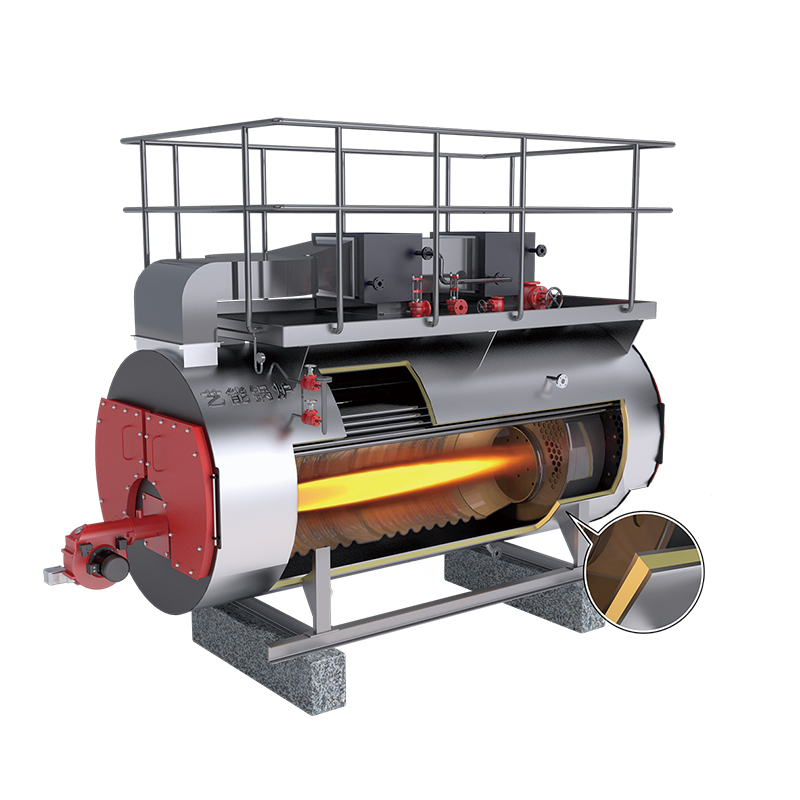
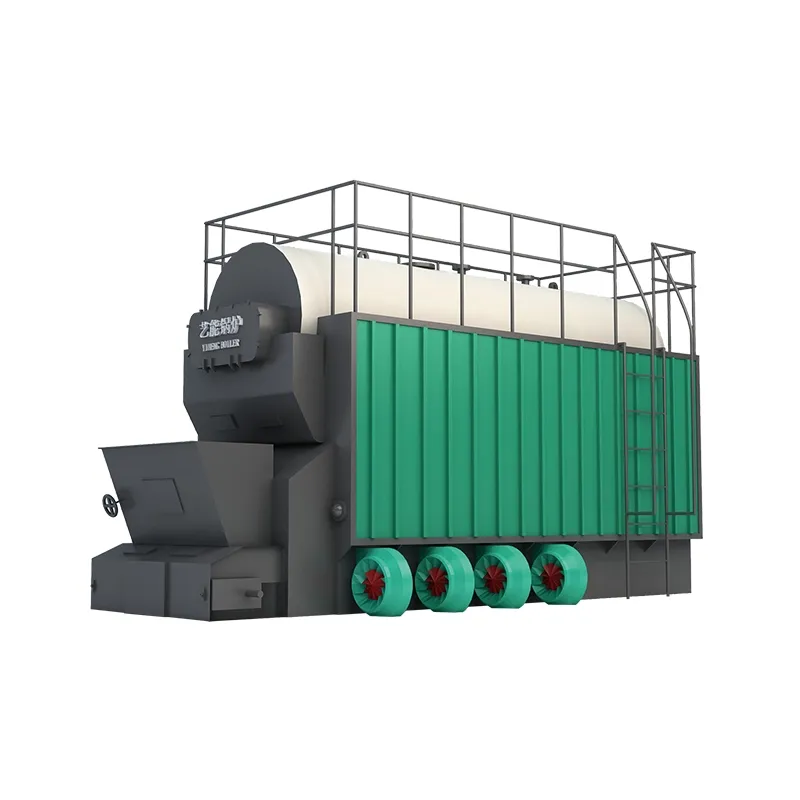
Coal or biomass fired steam boiler

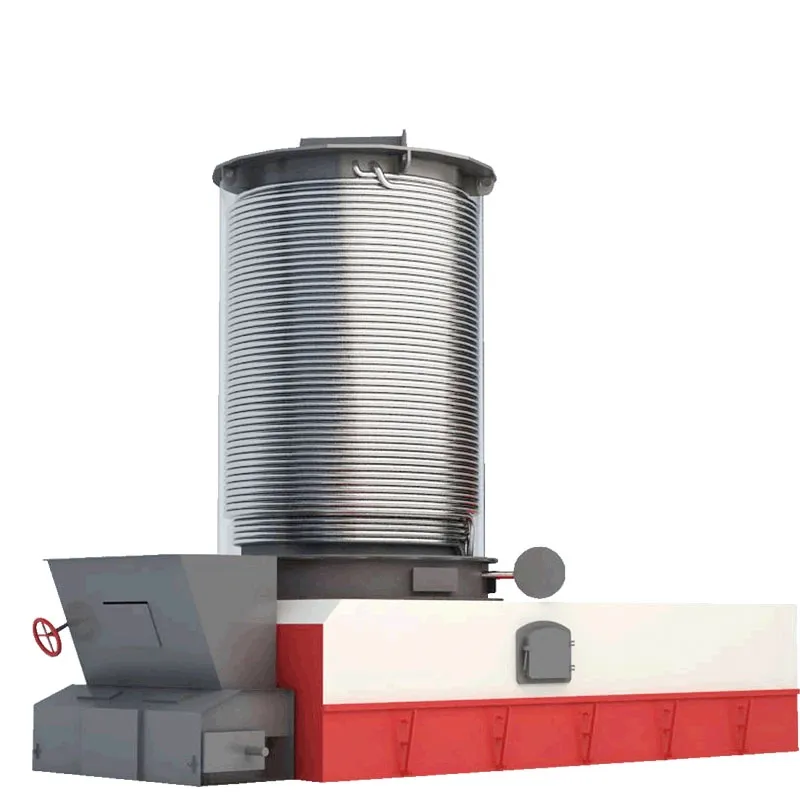
Coal or biomass fired DZL automatic chain grate steam boiler
Coal or biomass fired DZL automatic chain grate steam boiler is an efficient boiler that uses a chain grate to burn solid fuels, providing stable steam for industrial applications.
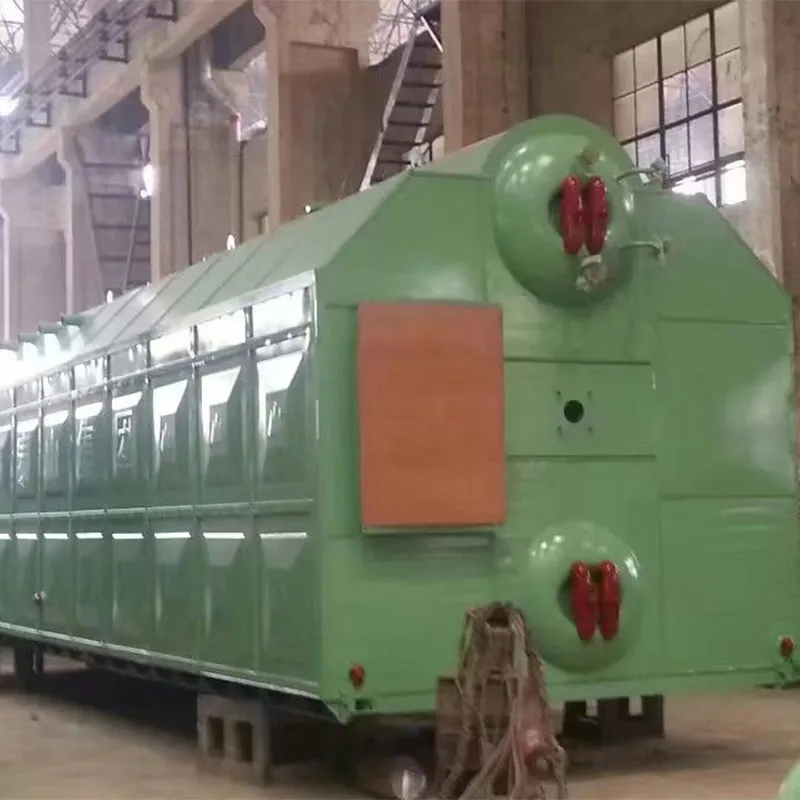
Coal fired SZL double drum water tube chain grate steam boiler
Coal fired SZL double drum water tube chain grate steam boiler is a high-capacity industrial boiler that efficiently burns coal on a chain grate to produce stable steam.
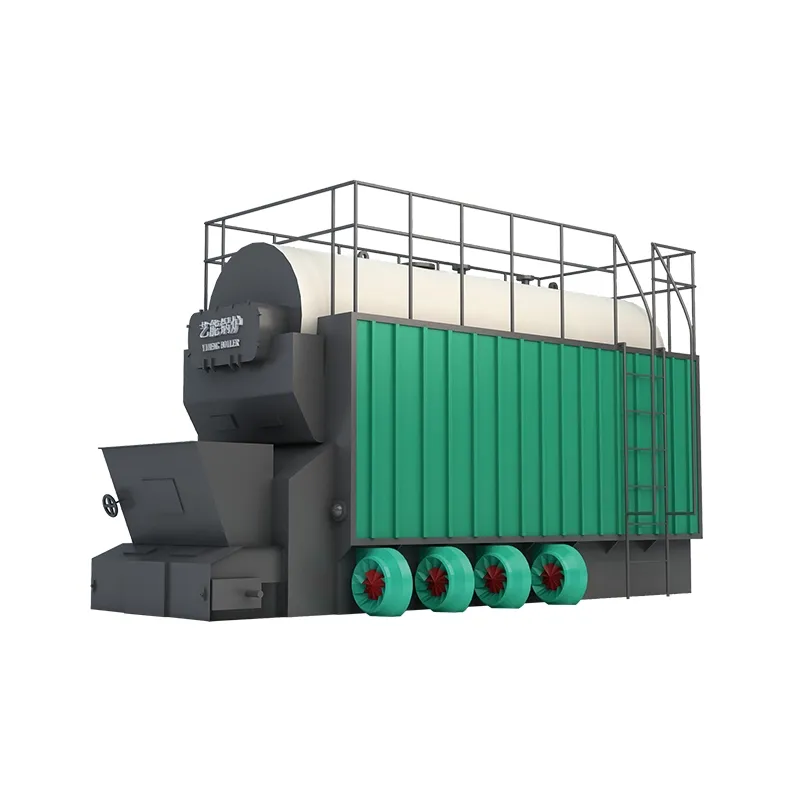
Water tube high pressure biomass fired steam boiler
Water tube high-pressure biomass fired steam boiler is an efficient industrial boiler that uses biomass fuel to generate high-pressure steam for large-scale applications.
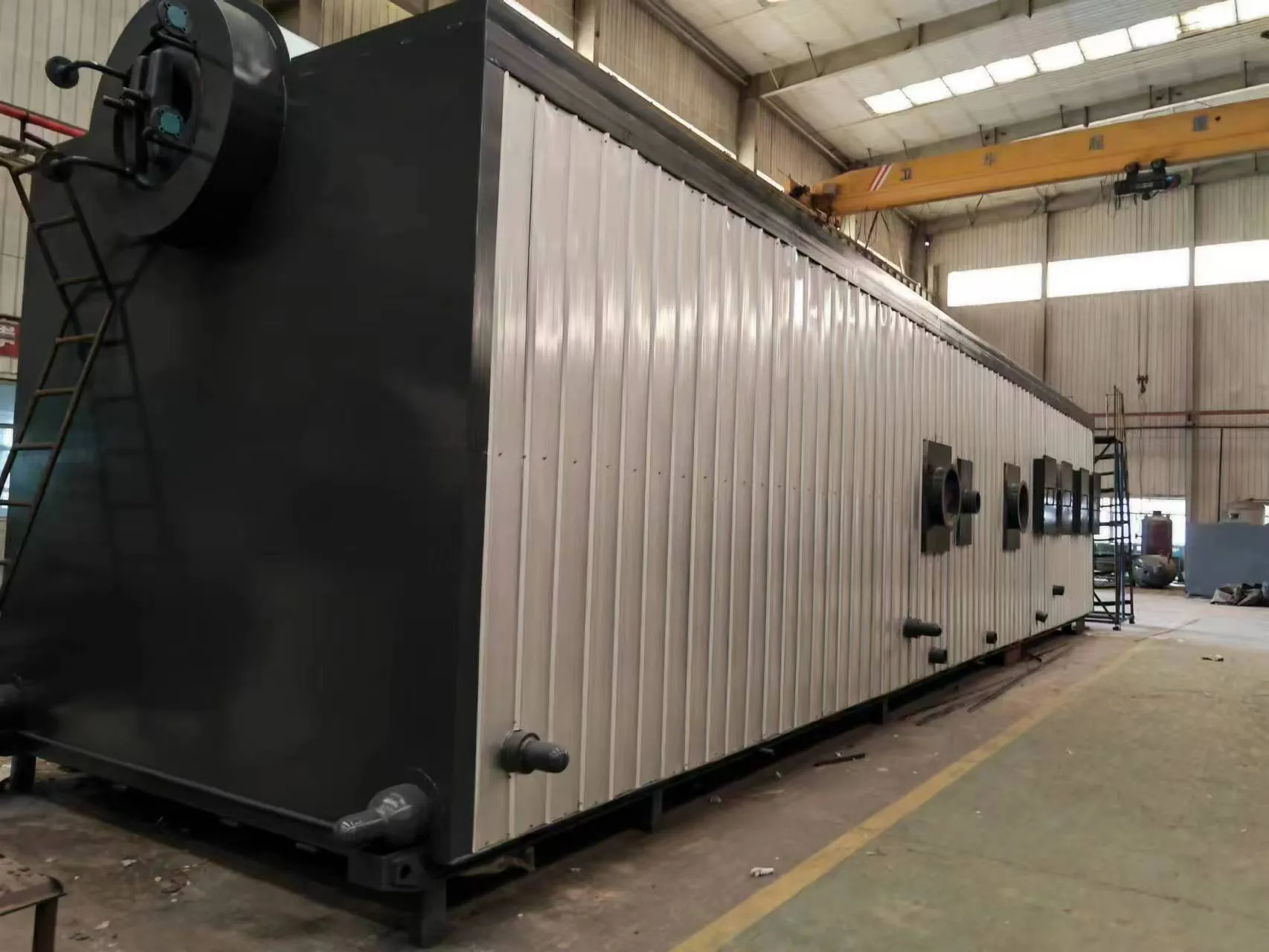
Biomass fired reciprocating grate steam boiler
Biomass fired reciprocating grate steam boiler is an eco-friendly boiler that burns biomass on a moving grate to efficiently generate steam for industrial processes.
Request A Quote For Reliable Thermal Equipment
Contact us for a customized quotation on high-efficiency boilers, pressure vessels, or gas cylinders. Share your specifications, and we'll provide a competitive offer with detailed technical support.
steam boiler manufacturer

How Does A Coal Steam Boiler Work?

A coal-fired steam boiler works by converting the chemical energy in coal into thermal energy, which is then used to generate steam for industrial or heating purposes. The basic operation involves several key steps: Coal Combustion: Coal is fed into the boiler’s furnace or combustion chamber, where it is burned. The combustion process produces hot flue gases that contain thermal energy. Modern boilers often use pulverized coal to ensure more efficient and complete burning. Heat Transfer: The hot gases pass over water-filled tubes or through a water jacket surrounding the furnace. Heat from the flue gases is transferred to the water, causing it to heat up and eventually boil, producing steam. The design maximizes surface area and heat exchange efficiency to reduce fuel consumption. Steam Generation: As water absorbs heat, it turns into steam. In many industrial coal boilers, steam pressure builds up in a drum or vessel, which can then be distributed to turbines, process equipment, or heating systems. Flue Gas Exhaust: After transferring most of their heat, the cooled flue gases exit the boiler through a stack or chimney. Modern boilers may include economizers, air preheaters, or particulate filters to improve efficiency and reduce pollution. Control and Safety: Water level, steam pressure, and combustion are continuously monitored. Safety devices such as pressure relief valves, feedwater pumps, and flame detectors prevent accidents and maintain stable operation. Overall, coal-fired steam boilers provide a reliable and high-capacity source of steam, making them suitable for power generation, industrial heating, and manufacturing processes, though modern designs focus on efficiency and emission reduction.
description
March. 13, 2026
Waste Heat Recovery Boiler Working Principle
A waste heat recovery boiler (WHRB) operates on the principle of capturing energy from hot exhaust gases or flue gases produced by industrial processes and converting it into useful steam or hot water.
Read More
description
March. 9, 2026
Molten Salt Boilers Revolutionize Industrial Heat Storage and Efficiency
Molten salt boilers are emerging as a game-changer in industrial heating and energy storage, offering unprecedented efficiency and flexibility for high-temperature processes.
Read More
description
March. 9, 2026
New Yorker Steam Boiler Systems A Comprehensive Guide from YN Boilers
When considering robust and efficient heating solutions for industrial or commercial applications, a New Yorker steam boiler stands out as a reliable and long-lasting choice.
Read More

If you are interested in our products, you can choose to leave your information here, and we will be in touch with you shortly.


f_btn4